Guided, designed and delivered
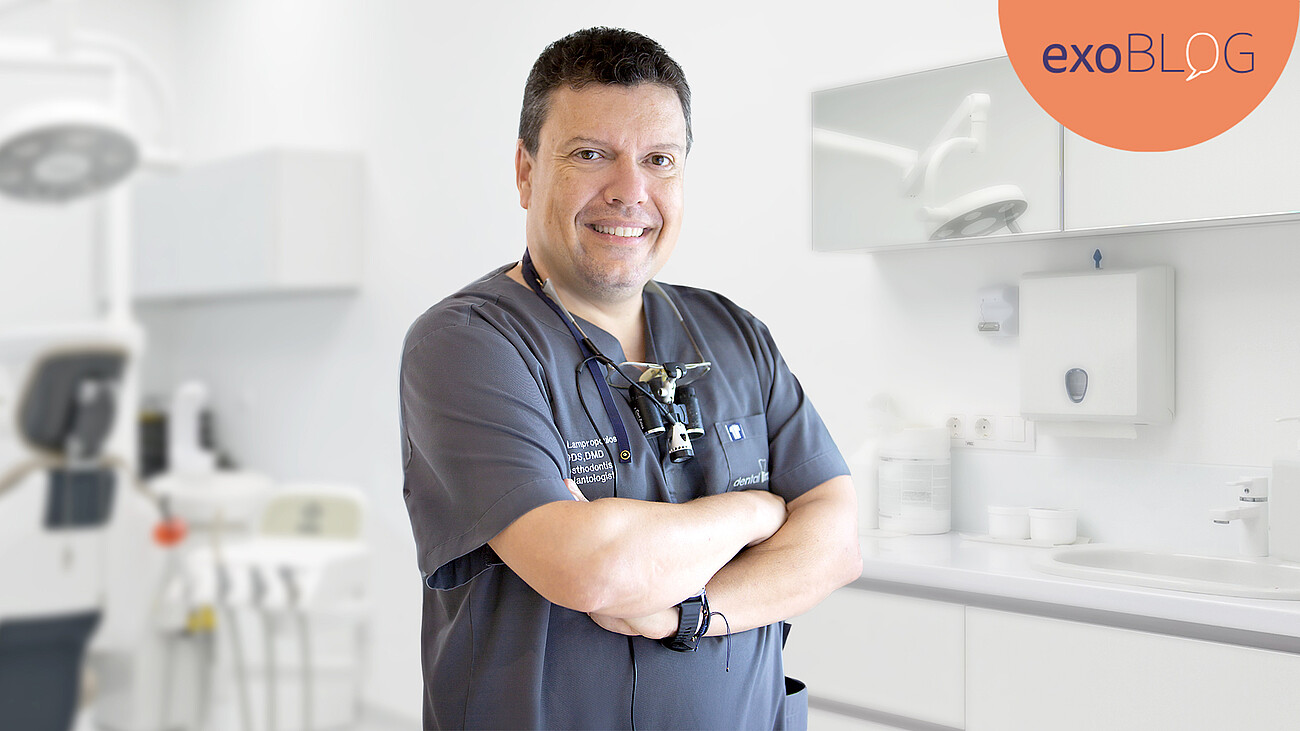
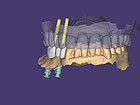
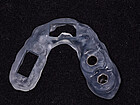
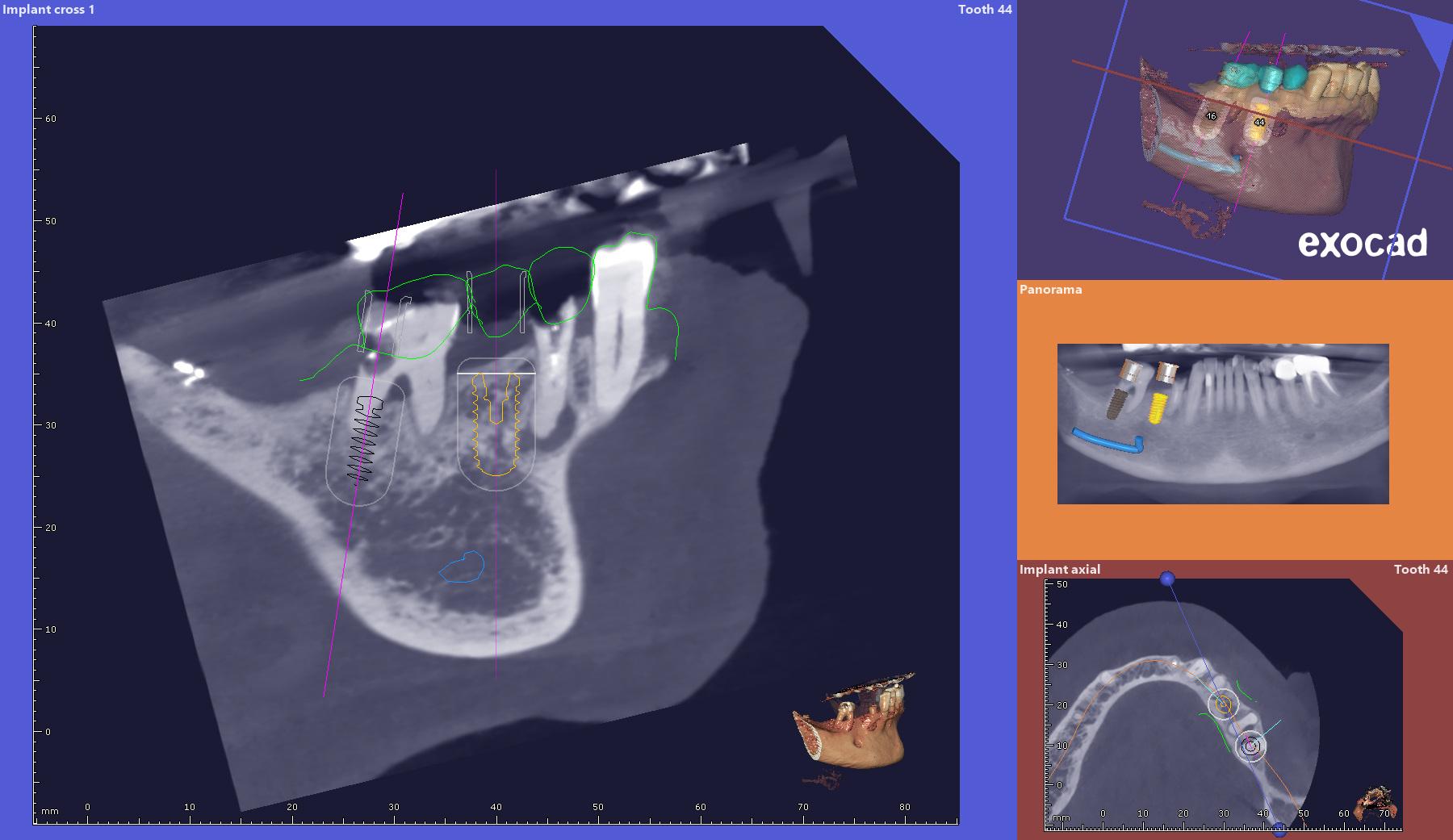
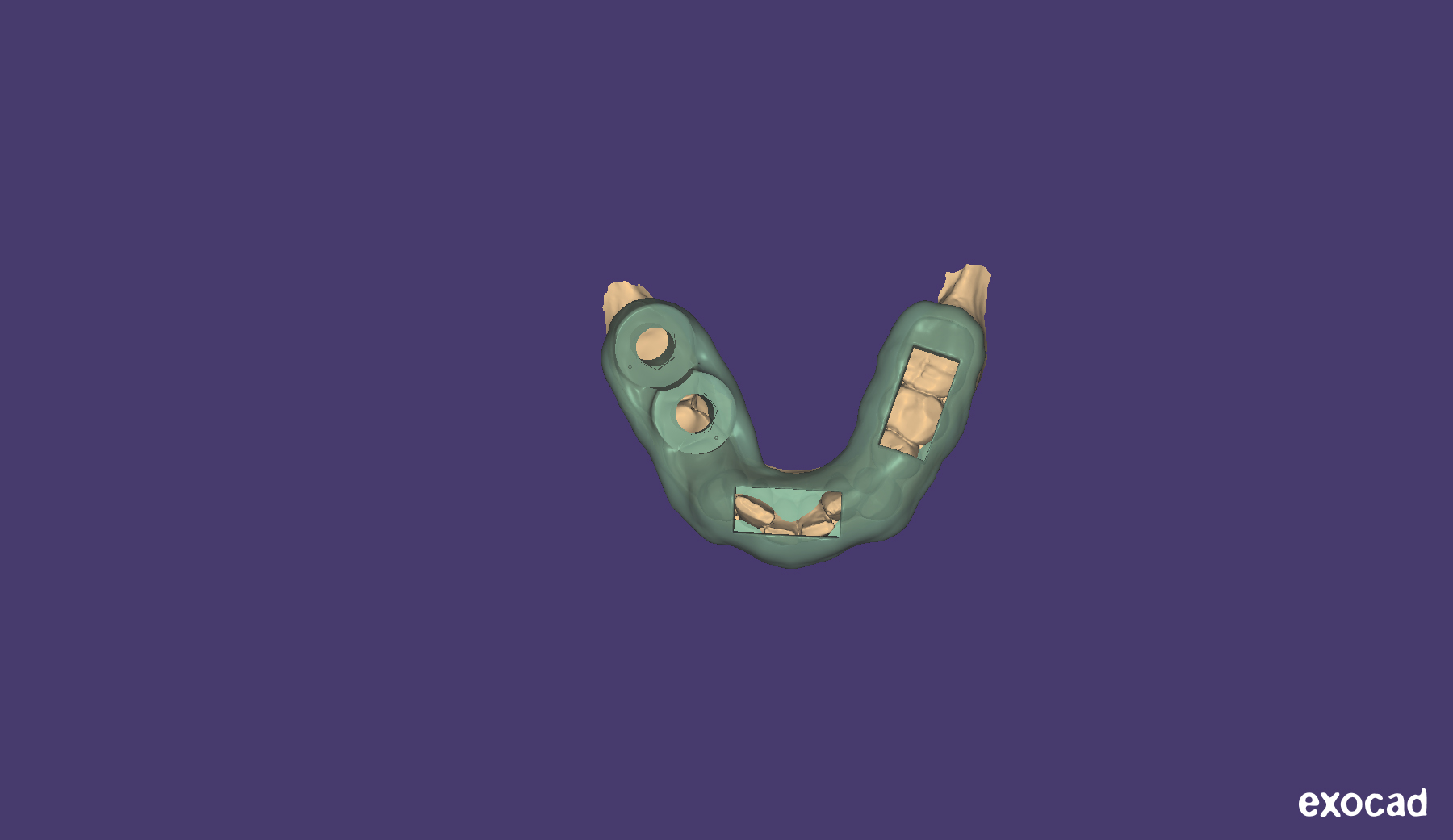
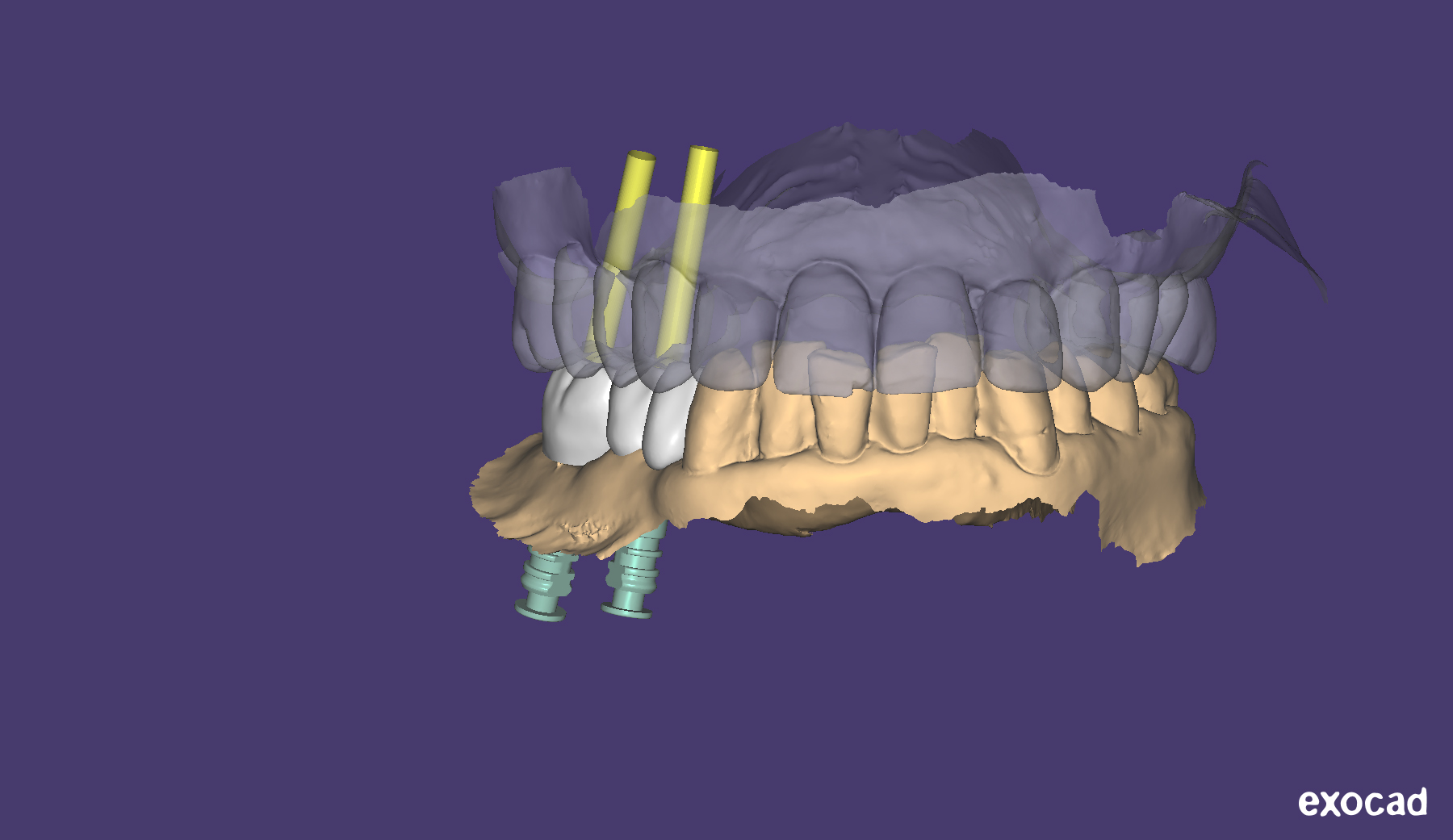
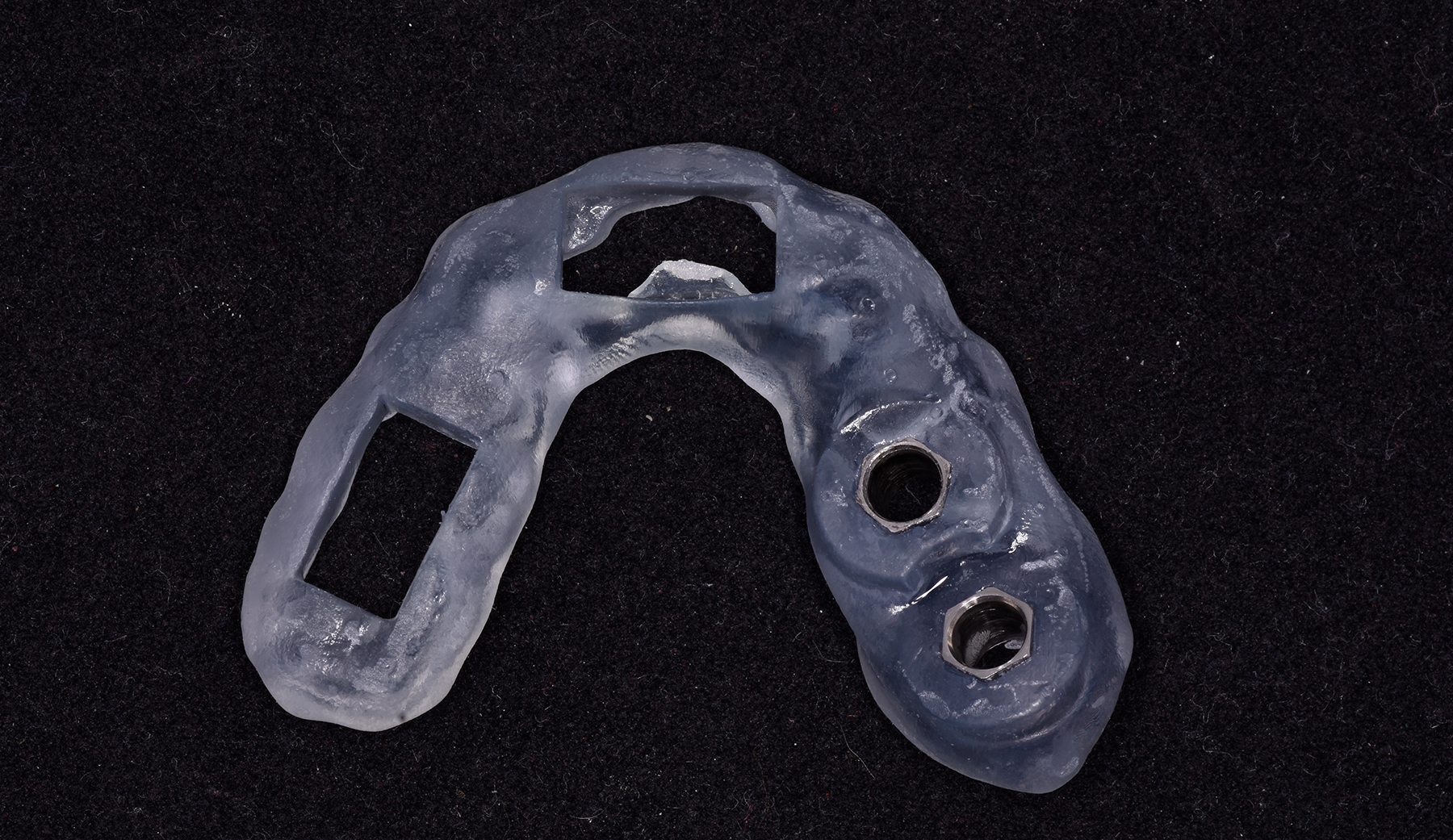
Long a fan of guided surgery, Athens-based prosthodontist and implant specialist Dr. Panos Lampropoulos says working with exocad’s digital tools is reliable, simple and relaxing. “It almost like therapy,” he says. In our latest exoBlog, you can find out why he always chooses exocad, which tools are his favorites, and how he taps into new AI features to streamline his busy practice.
Q: What inspired you to get into dentistry—and later, digital dentistry?
A: I’ve always loved working with my hands, building things, and, most of all, helping people smile. Combining those three passions naturally led me to dentistry. I attended the German School in Athens and later studied in Freiburg, Germany. During my studies, around 1998 or 1999, our prosthetics department gave us access to a CEREC device for a week—we were able to design and mill a single crown. That week was a turning point for me. I could see the future right there.
Q: How did you get started with digital dentistry?
A: When the first scanners arrived in Greece, I bought a Carestream scanner and began using it for impressions. Eventually, I decided to take the next step: design and printing. I quickly saw how digital dentistry streamlined my workflow. While analog provides the foundation, digital is faster, more efficient, and more precise. I truly love digital dentistry.
“I used other software before for guided surgery, but then switched to exocad because exoplan and DentalCAD work so well together. Everything is in one system. It’s convenient, and there are no extra export fees.”
Q: When did you start with guided surgery?
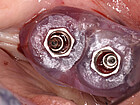
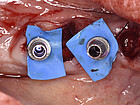
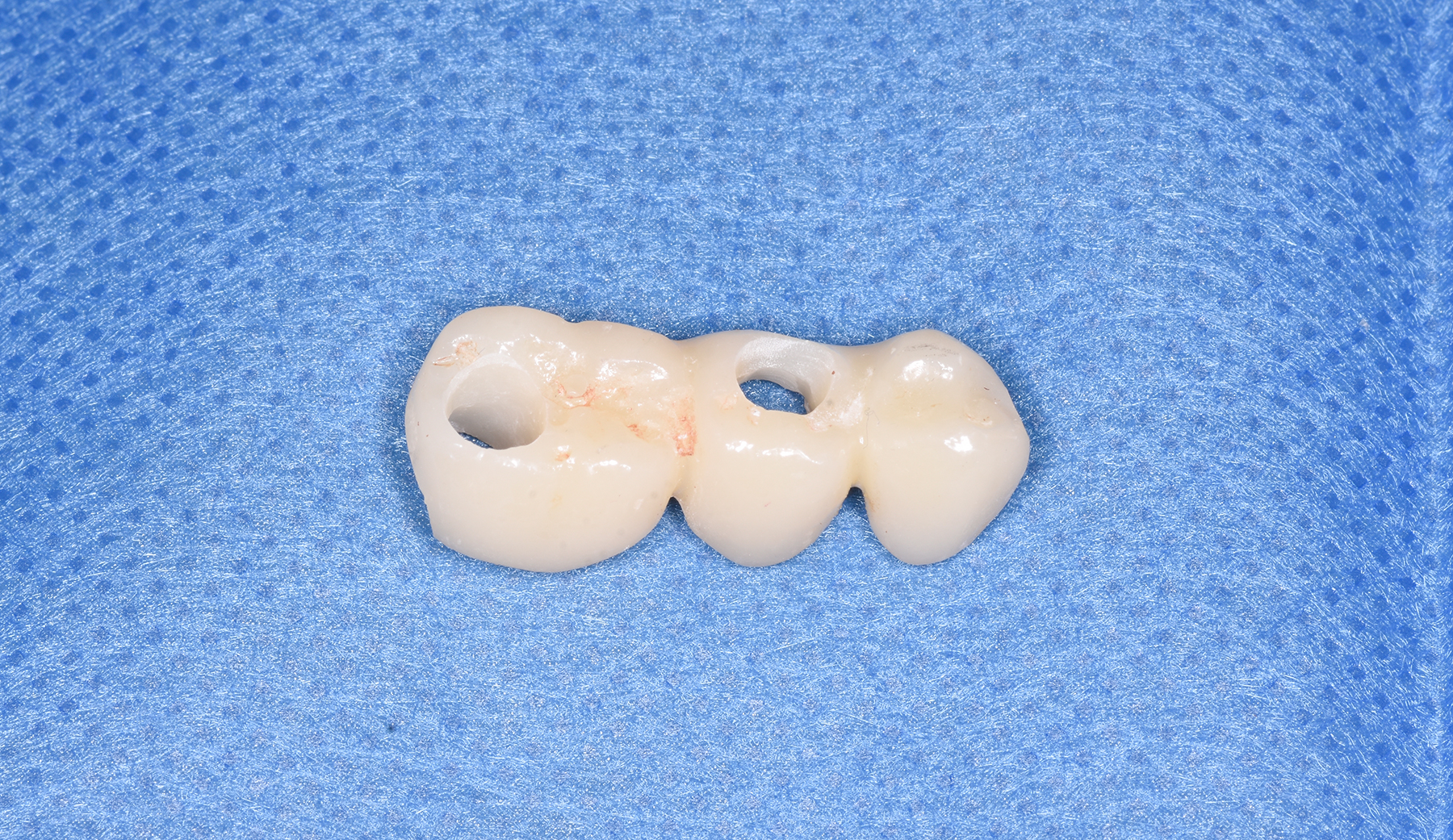
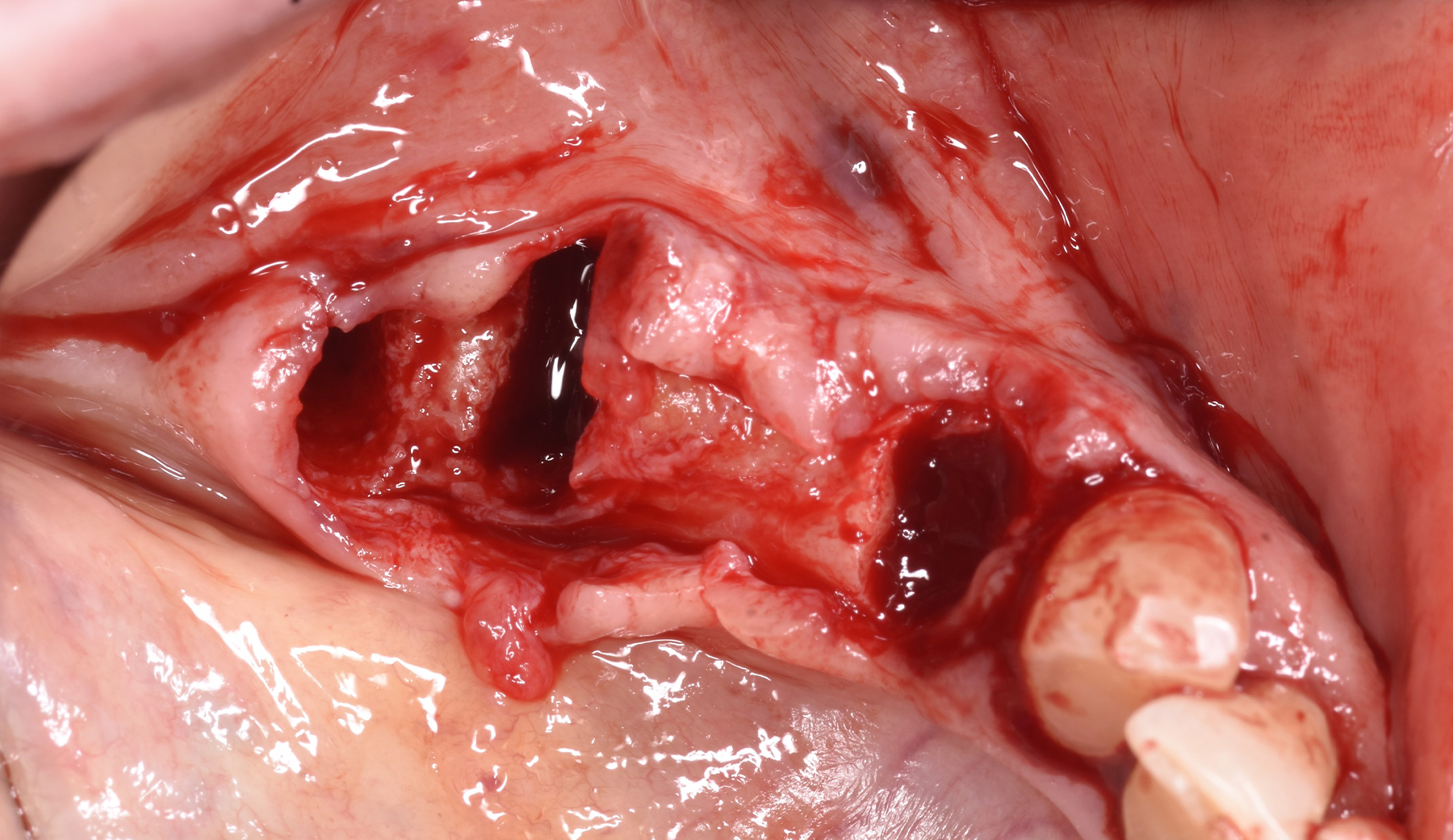
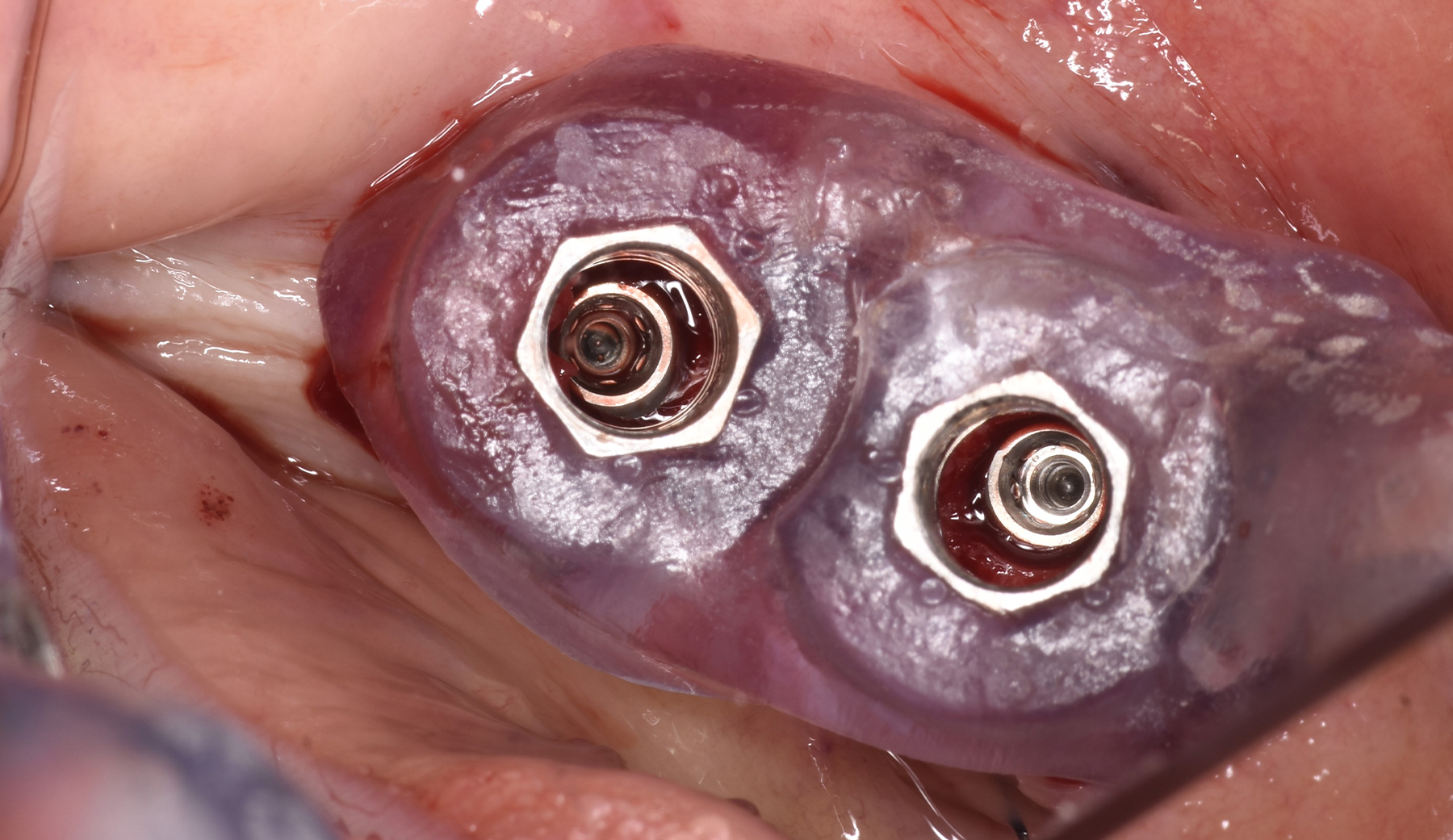
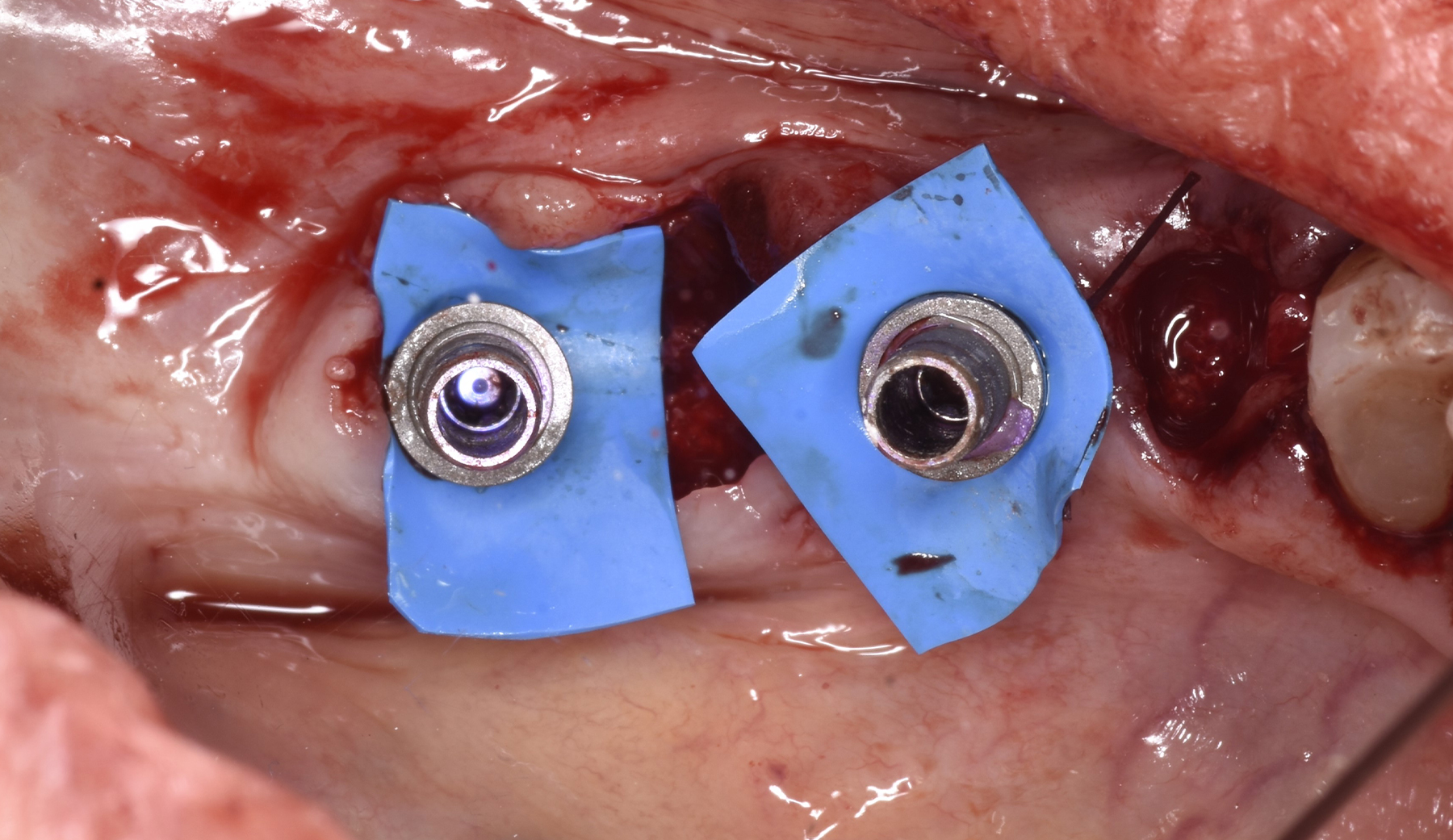
A: I trained in guided surgery in Germany back in 2008. For many years now, I’ve placed the majority of my implants using guided methods—I’d say more than 80 percent of my cases are guided. I previously used other software, but I switched to exocad because exoplan and DentalCAD work so well together. Having everything in one system is convenient, and there are no extra export fees.
Q: What are your favorite exocad tools or workflows?
A: I love exoplan for guided surgery—it’s fast, intuitive, and reliable. I’ve used other systems where the design process was much more complicated, but exoplan makes it easy. The Smile Creator Module is another favorite because it simplifies communication with patients. I also enjoy using DentalCAD for night guards and splints; thanks to the AI, that process has become incredibly quick.
Q: How does digital integration work in your practice?
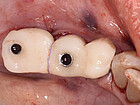
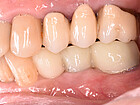
A: For complex cases, we start by using the Smile Creator Module for the smile design, then proceed with the digital wax-up and virtual implant placement. This allows us to print provisionals and deliver them on the day of surgery. Final restorations are usually milled right here in the office. While most of my workflow is now done in-house, I still send removable dentures and highly complex esthetic cases to a high-end outside lab. I believe that in the future, the majority of dental work will be done in-house, but highly esthetic cases will always remain the domain of master dental technicians, who will be compensated accordingly.
“I appreciate the AI features; they are huge time-savers. You review the AI’s suggestion, approve it, and move on. It truly helps you work smarter, not harder.”
Q: Why do you prefer exocad software?
A: The main reason is its open architecture. Most scanners, face scanners, and jaw-tracking devices integrate seamlessly without extra fees. With other software, I often feel restricted, but with exocad, my scanner, printer, and milling machine all work together in one ecosystem. I don’t need any additional third-party middleware. When you see 20–25 patients a day, simplicity and reliability are non-negotiable—you simply don’t have time for complicated systems. That’s also why I appreciate the AI features; they are huge time-savers. You review the AI’s suggestion, approve it, and move on. It truly helps you work smarter, not harder.
Q: How do you balance clinical work with digital design?
A: Most of my work involves complex restorative cases. Between patient appointments, I review digital smile designs, crowns, bridges, or guides. It actually relaxes me—it’s almost like therapy. Smile design is crucial for showing patients the proposed outcome. With old-school mockups, if the patient didn’t like it, we had to start over. With Smile Creator, I can show them two or three different libraries so they can choose without feeling overwhelmed.
Q: How do you manage patient expectations?
A: Some patients bring in photos of celebrities. If an 80-year-old brings me Brad Pitt’s smile, I have to communicate what is realistically achievable. I show them the direction we can go, but I don’t promise the impossible. When expectations are managed correctly, digital smile design is a very good tool.
Q: What topics are most discussed when you speak at conferences?
A: At conferences like the recent AAID meeting in Phoenix, I observe two distinct groups: the skeptics and the early adopters. The skeptics are primarily concerned with the learning curve and the financial commitment. My goal is not to sell, but simply to share my clinical reality. For a skilled dentist, digital tools increase efficiency and job satisfaction. The investment absolutely pays off. However, while younger dentists adopt the technology quickly, older dentists tend to hesitate. This is particularly true in international markets where selling a practice upon retirement is not common, limiting the potential return on investment.
Q: What trends do you see in dentistry today?
A: Many dentists who don’t place implants are focusing on aligners, whitening, and veneers. However, I see more offices adopting guided surgery. Ten or 20 years ago, you had to convince people to use guides; now, they are becoming the standard. Guides are essentially prosthetic tools—they make restorative outcomes predictable and workflows easier.
Q: What would you tell your younger self?
A: Invest in digital dentistry sooner. The technology wasn’t as advanced back then, but if I were 25 today, I’d tell myself: Don’t buy a car—buy a scanner and a printer first.
Q: Favorite music?
A: Frank Sinatra’s "My Way." I also love classical music and rock.
Q: What are your hobbies?
A: Traveling, tennis, and movies. I’m a huge movie buff—Pulp Fiction is my favorite.
Q: If you had to describe digital dentistry in one word?
A: Freedom.
Dr. med. dent. Panagiotis J. Lampropoulos is a prosthodontist and implant specialist based in Athens, Greece. A graduate of the Albert-Ludwig University of Freiburg, where he earned his Doctorate in Dental Medicine, he is recognized as a Prosthodontics Specialist by the European Prosthodontic Association. Panos maintains a private practice in Athens focused on prosthetic dentistry and dental implants and served as a clinical instructor in the postgraduate program at the National and Kapodistrian University of Athens. An international trainer for MIS and Dentsply, he is also a member of the ITI, EAO, EPA, and Digital Dentistry Society, and currently serves as vice president of the Stomatological Society of Greece. Follow Panos on Facebook or Instagram.

by Caitlan Reeg
Writer at exocad
Caitlan Reeg spends her days telling the world about the innovations her colleagues create. She’s passionate about healthcare, technology, and the ways the two interact to improve our lives. A former journalist, Caitlan has worked on staff at Dow Jones Newswires in Frankfurt and at the national public radio program Marketplace in Los Angeles.