Family ties and digital designs
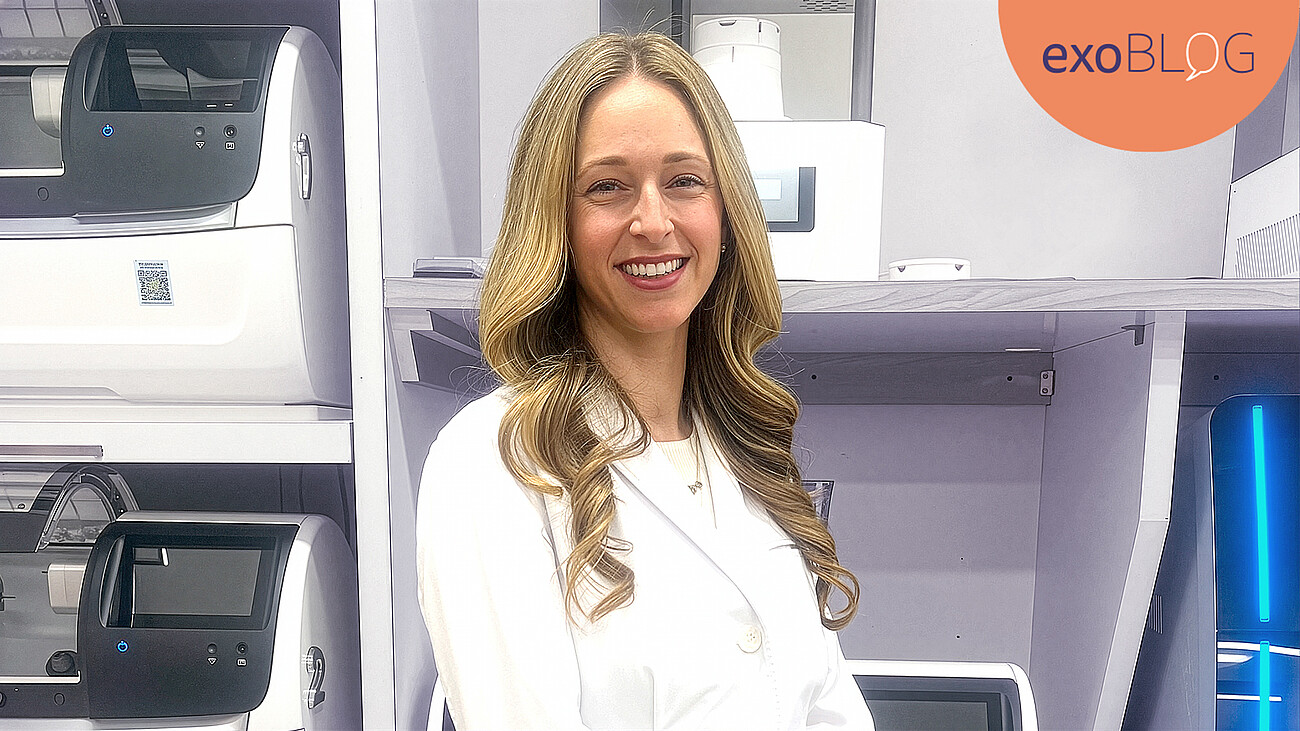
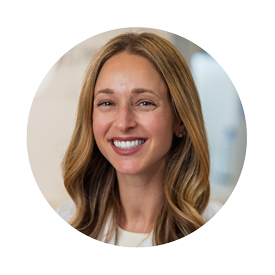
In a fast-paced Midtown Manhattan practice, Dr. Samantha Rawdin blends family mentorship, in-house lab collaboration and a fully digital workflow to deliver high-quality care to her patients. From same-day restorations to complex implant cases, she relies on DentalCAD and exoplan to streamline planning, improve communication and reduce surprises. In this exoBlog, Samantha shares how digital dentistry shapes her daily practice, why teamwork matters, and what “streamlined” really looks like in a busy New York City office.
Q: What motivated you to pursue dentistry?
A: I wanted a healthcare career with hands-on work and independence. My dad, who is a prosthodontist, suggested I spend time with him, and I realized dentistry was the perfect fit. It’s a career I could love while staying hands-on.
Q: Tell us about your practice model. It’s fairly unique with the family connections.
A: After residency, I joined my father in his practice. We later merged with another father-daughter duo, so now we have two pairs. It works beautifully. I always knew that I would have my father as a mentor, but now I get two built-in mentors and a built in partner. So it's really just been such a special, wonderful experience.
Q: Can you tell me about your average day? What kind of patients do you see?
A: Our midtown Manhattan office is busy, with 17 operatories, five of which are hygiene rooms. Patients here are quintessential New Yorkers: they want efficiency and speed, and they need appointments that fit their schedules. Any given day varies. We might have a big case utilizing our in-house lab for same-day veneers, or routine hygiene checks, fillings, or crowns. About 50% of my practice is surgery—extractions, bone grafts, and implant placement.
“Digital dentistry really sets our practice apart in a congested area of New York City. There are hundreds of dentists within a few blocks, and I think our ability to adopt technological tools, both hardware and software, has allowed us to streamline processes for patients.”
Q: How do you see digital dentistry playing into that?
A: Digital dentistry really sets our practice apart in a congested area of New York City. There are hundreds of dentists within a few blocks, and I think our ability to adopt technological tools, both hardware and software, has allowed us to streamline processes for patients.
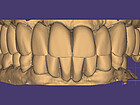
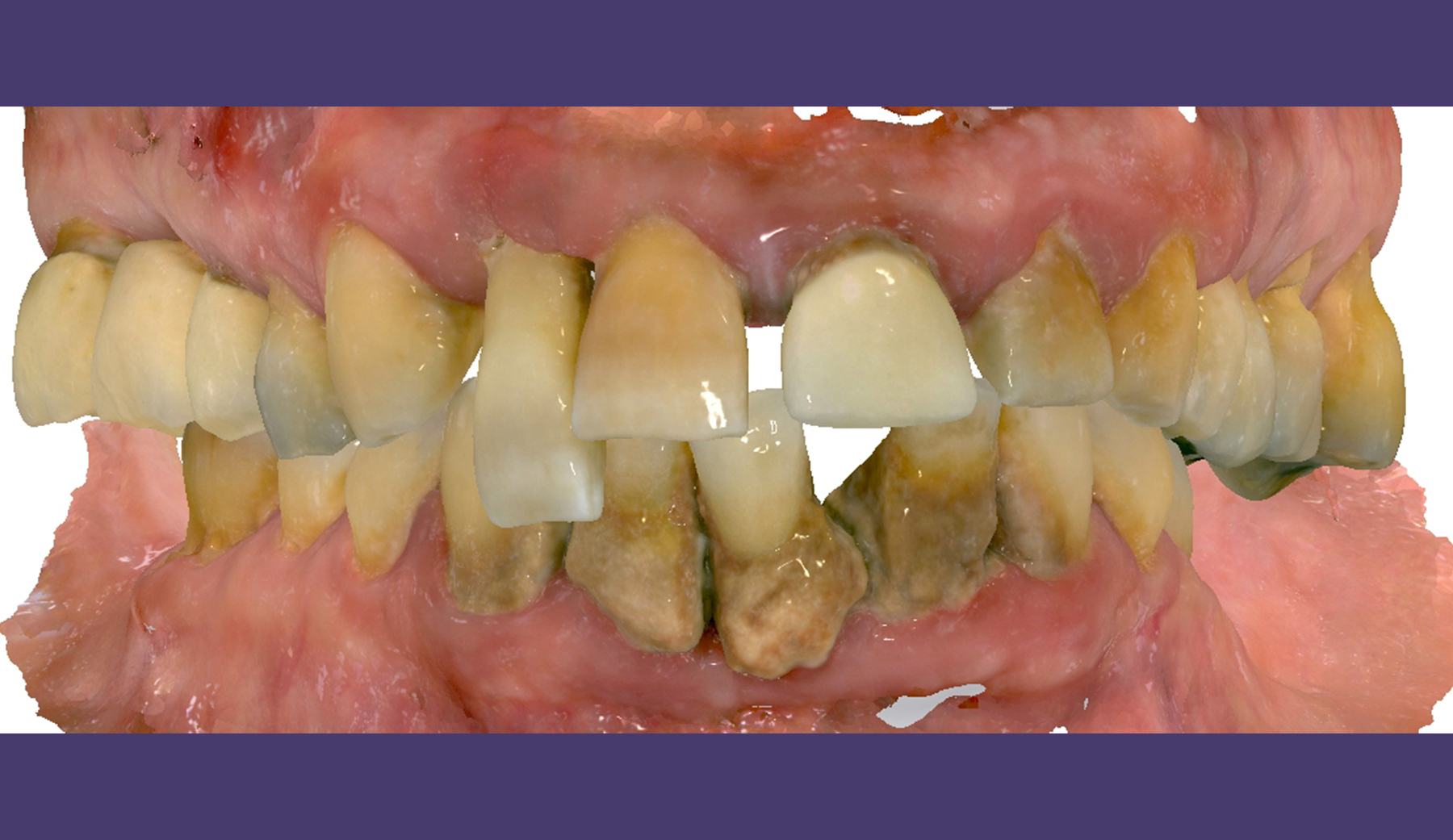
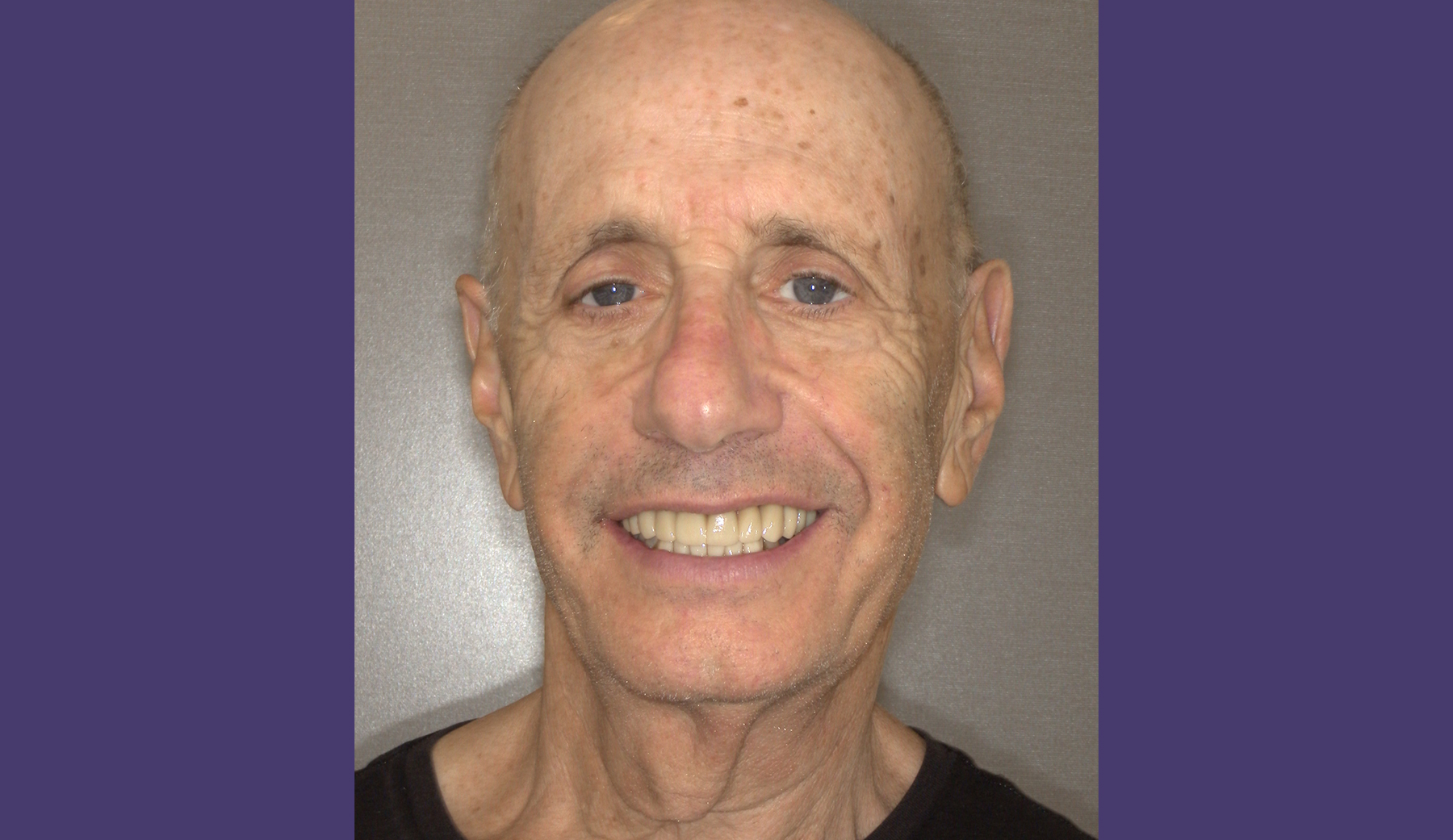
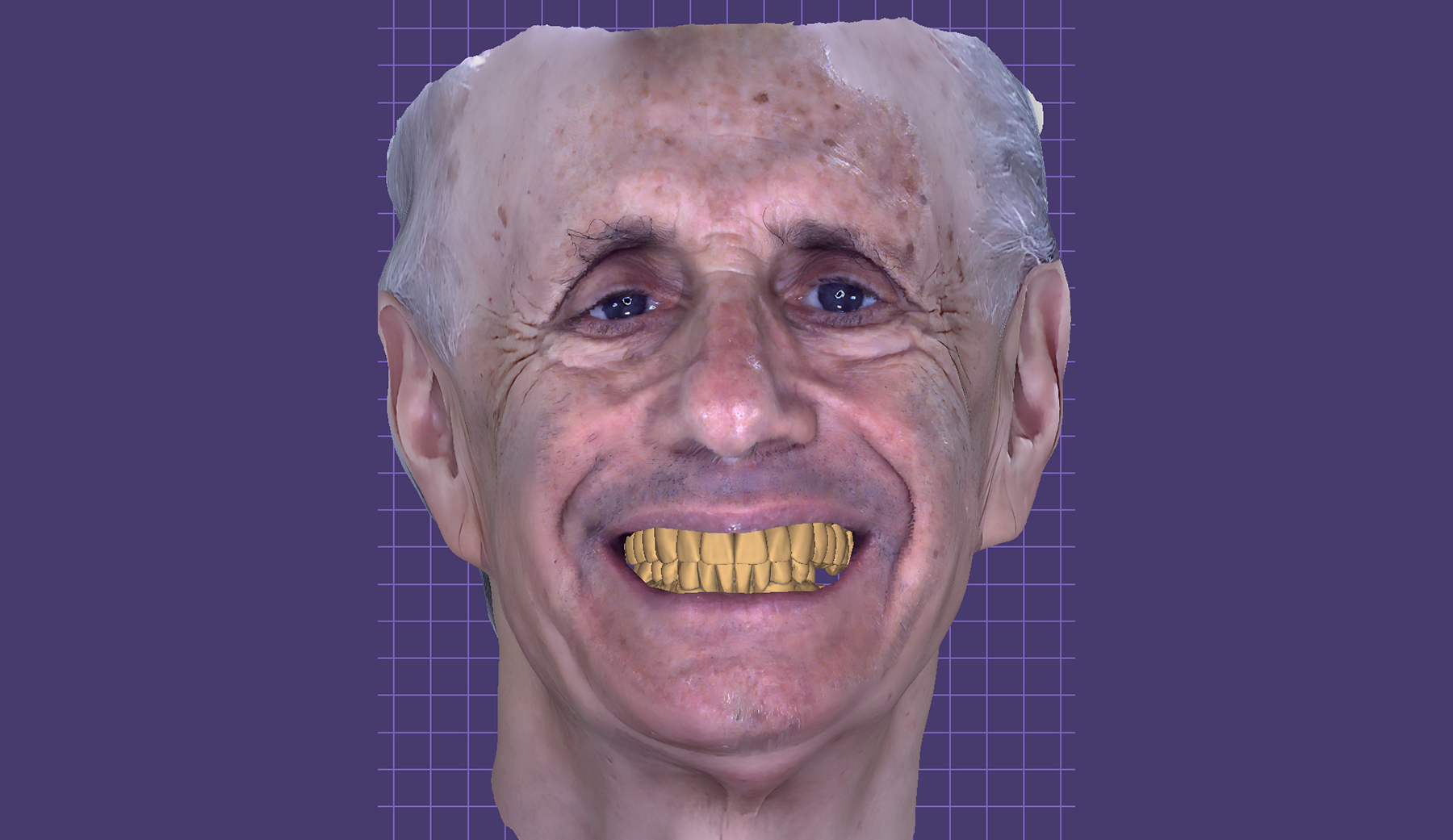
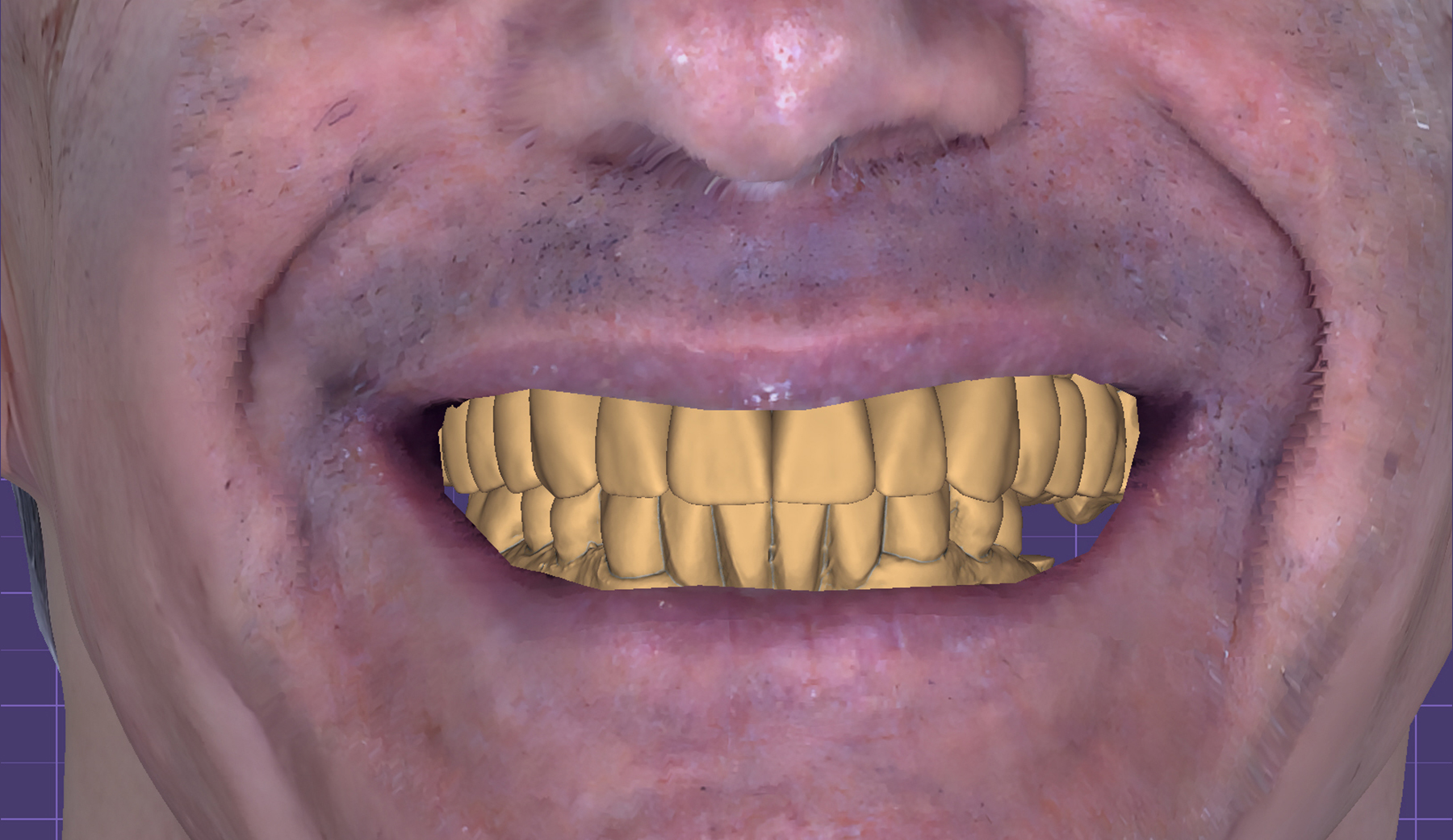
We create a digital profile for every patient: intraoral scans, digital photos, 3D facial scans. For implant planning, we use CBCT and integrate everything into a single platform with exocad. This allows us to handle diagnosis, planning, and treatment design efficiently. Patients appreciate the speed and convenience, while we maintain high-quality care.
Q: Specifically with exocad software, how do you use it?
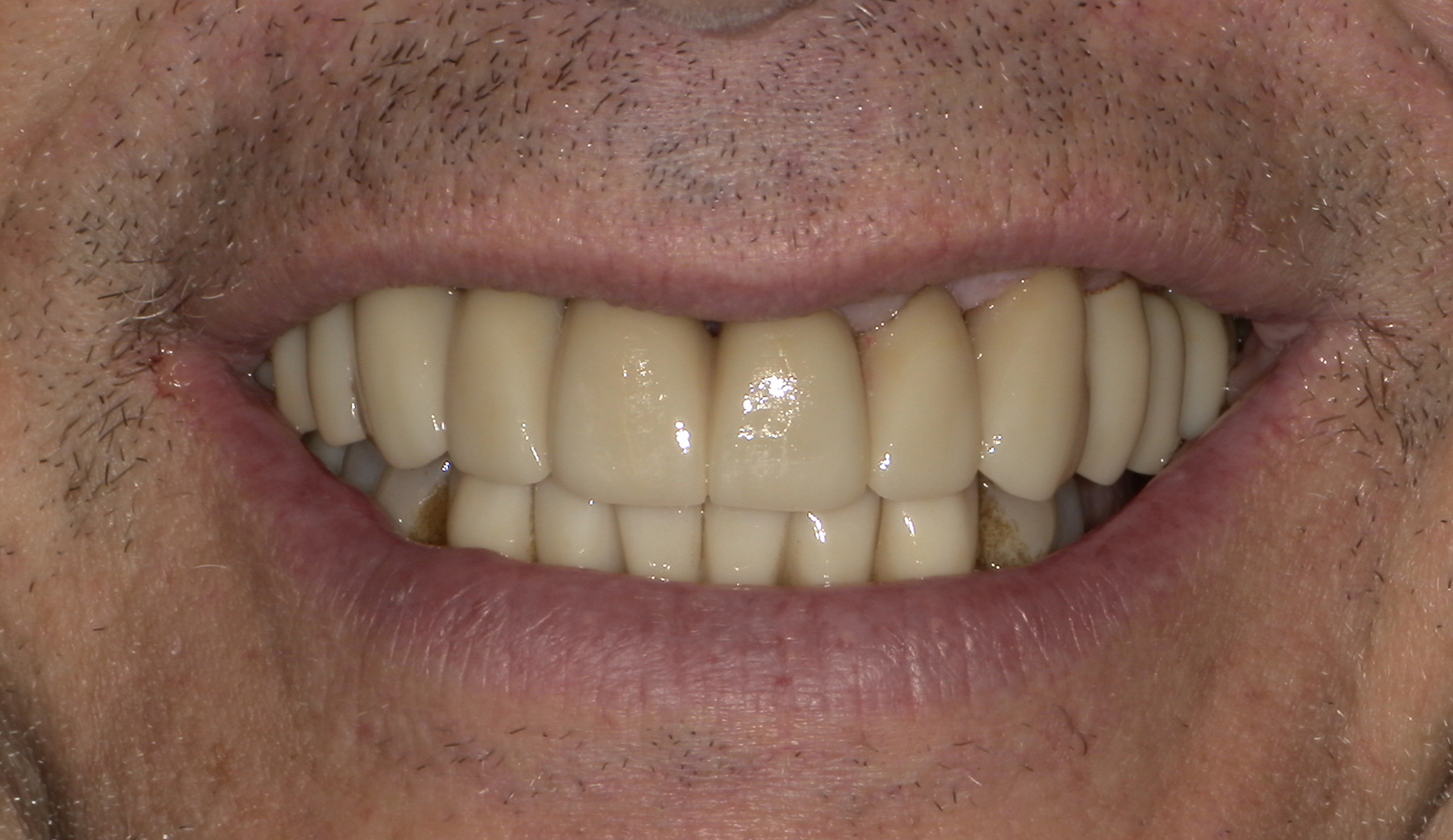
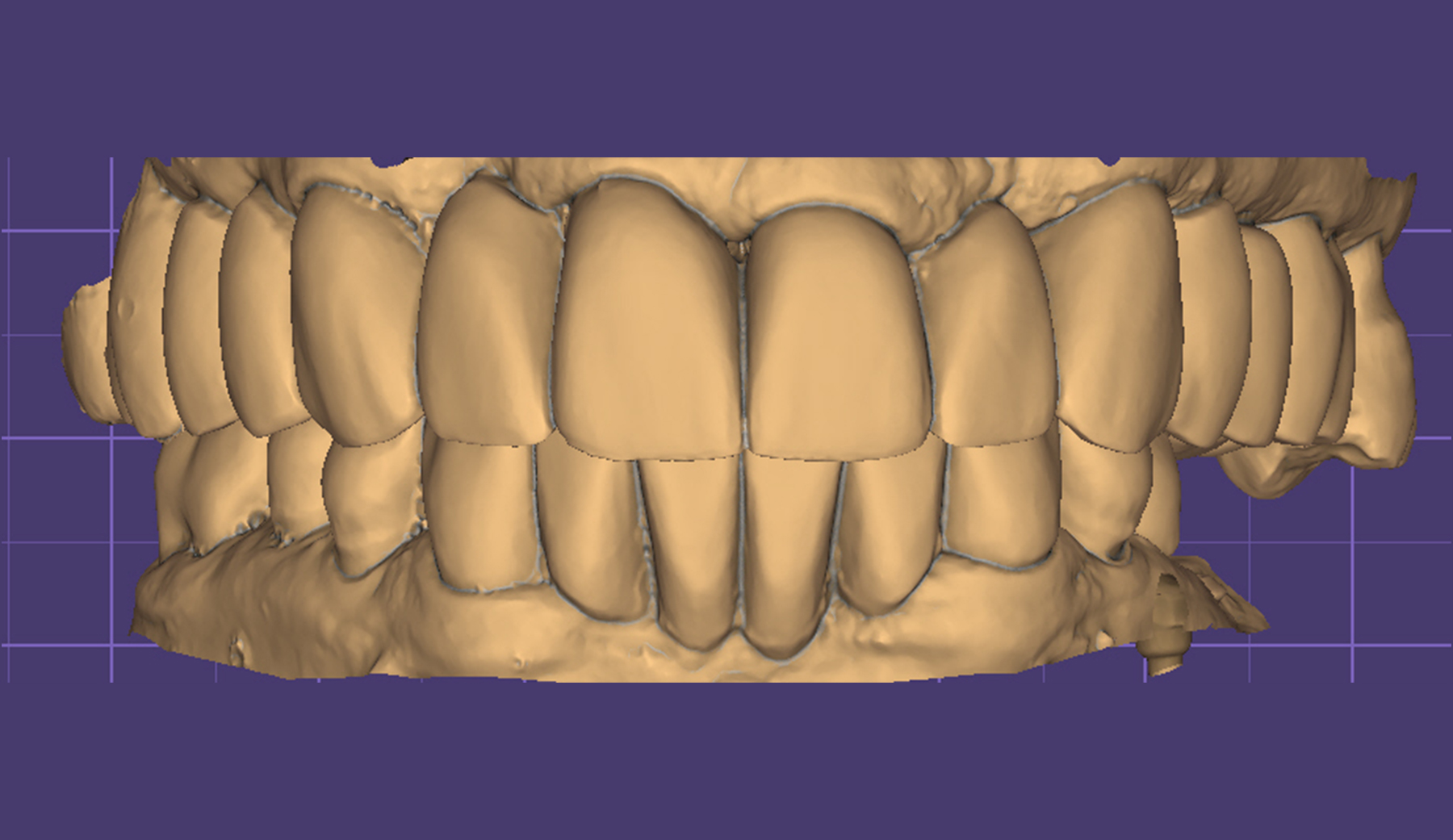
A: We use exocad software daily. It integrates intraoral scans, photos, 3D facial scans, and CBCTs for surgical patients. This allows us to plan treatments ahead of time. For example, I recently worked on a patient with congenitally missing laterals. The implants were angled, and the software let us visualize restoration placement and screw access channels to make planning and executing treatment more predictable. It makes the process seamless and reduces surprises.
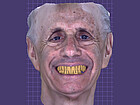
We’ve also been playing around with the TruSmile™ Video tool, which helps patients understand possibilities for their smile. My favorite tool is the smooth tool, and the symmetry function for virtual waxups saves time for our lab technicians by allowing mirrored work.
“We use exoplan for surgical guides and implant placement planning. This seamless back-and-forth ensures everything aligns perfectly, from restoration placement to surgical execution. I couldn’t imagine going back to a system without this level of integration.”
Q: How does this digital workflow impact communication with the lab?
A: Having our lab technicians in-house is invaluable. Real-time conversations make planning and adjustments much easier. We use exoplan for surgical guides and implant placement planning. This seamless back-and-forth ensures everything aligns perfectly, from restoration placement to surgical execution. I couldn’t imagine going back to a system without this level of integration.
Q: What trends do you see among patients, especially regarding esthetics?
A: Speed and efficiency are the biggest factors. Patients who have experienced analog dentistry are amazed by the convenience of modern digital processes—same-day crowns, no second numbing, no temporaries. For patients new to dentistry, it’s easy, seamless, and integrated.
Q: How do you communicate to the public that your practice is digital?
A: We’re creating a new website emphasizing our investment in technology and commitment to digital dentistry. We also have a presence on social media—Instagram, Facebook—with short video snippets demonstrating our capabilities. The goal is to educate the audience about the benefits of digital dentistry and how it enhances patient care.
“Integrating digital technology into a practice is a team effort, and there’s plenty of training available for those looking to adopt these tools.”
Q: How important is teamwork when using digital dentistry tools like exocad?
A: I’m extremely grateful to our lab technicians. What we do wouldn’t be possible without them and on-the-spot discussions about virtual mock-ups or digital restoration designs allows us to minimize wait times between appointments for patients. Integrating digital technology into a practice is a team effort, and there’s plenty of training available for those looking to adopt these tools. With the right support, exocad can be leveraged to its fullest potential.
Q: Any tips for aspiring young dentists?
A: For a long time, I had imposter syndrome. I went straight from college to dental school, residency, fellowship, and work. But I learned over time that if you put in the time and effort, you deserve to be there. Don’t be afraid to ask for opportunities, whether from mentors or patients. That’s where growth happens.
Q: Any social media accounts or communities you follow in the dental world?
A: I love Wally Renee, and the MOD Institute for digestible clinical videos. Melissa Seibert’s podcast, Dental Digest, offers great clinical pearls. For surgical content, I follow Dr. Naif Sinada—he provides truly life-changing treatments for patients.
Q: Some lighter questions…what’s your favorite tooth?
A: Maxillary canines. They make or break a smile.
Q: Top song on your playlist?
A: Anything by Olivia Dean. I’m really into her.
Q: If you weren’t a dentist, what would you do?
A: I’d open a bakery and decorate cakes.
Q: Best advice you ever got?
A: Every patient is an N of one. You must treat each individual uniquely, even if protocols and data exist. Individualized care is crucial.
Q: One word for exocad?
A: Streamlined.
Dr. Samantha Rawdin is a board-certified prosthodontist specializing in restoring and renewing smiles. She completed a fellowship in implant dentistry at Columbia University College of Dental Medicine and a three-year prosthodontic residency at Montefiore Medical Center/Albert Einstein College of Medicine. She earned her dental degree from Midwestern University in Arizona and her undergraduate degree from the University of Michigan. Rawdin is a diplomate of the American College of Prosthodontists, a fellow of the Greater New York Academy of Prosthodontics and the NGS Academy of Multidisciplinary Dentistry, where she serves as program chair. She is also a member of the American Dental Association and the New York County Dental Society.

by Caitlan Reeg
Writer at exocad
Caitlan Reeg spends her days telling the world about the innovations her colleagues create. She’s passionate about healthcare, technology, and the ways the two interact to improve our lives. A former journalist, Caitlan has worked on staff at Dow Jones Newswires in Frankfurt and at the national public radio program Marketplace in Los Angeles.