Digitizing dentures: Craft meets innovation
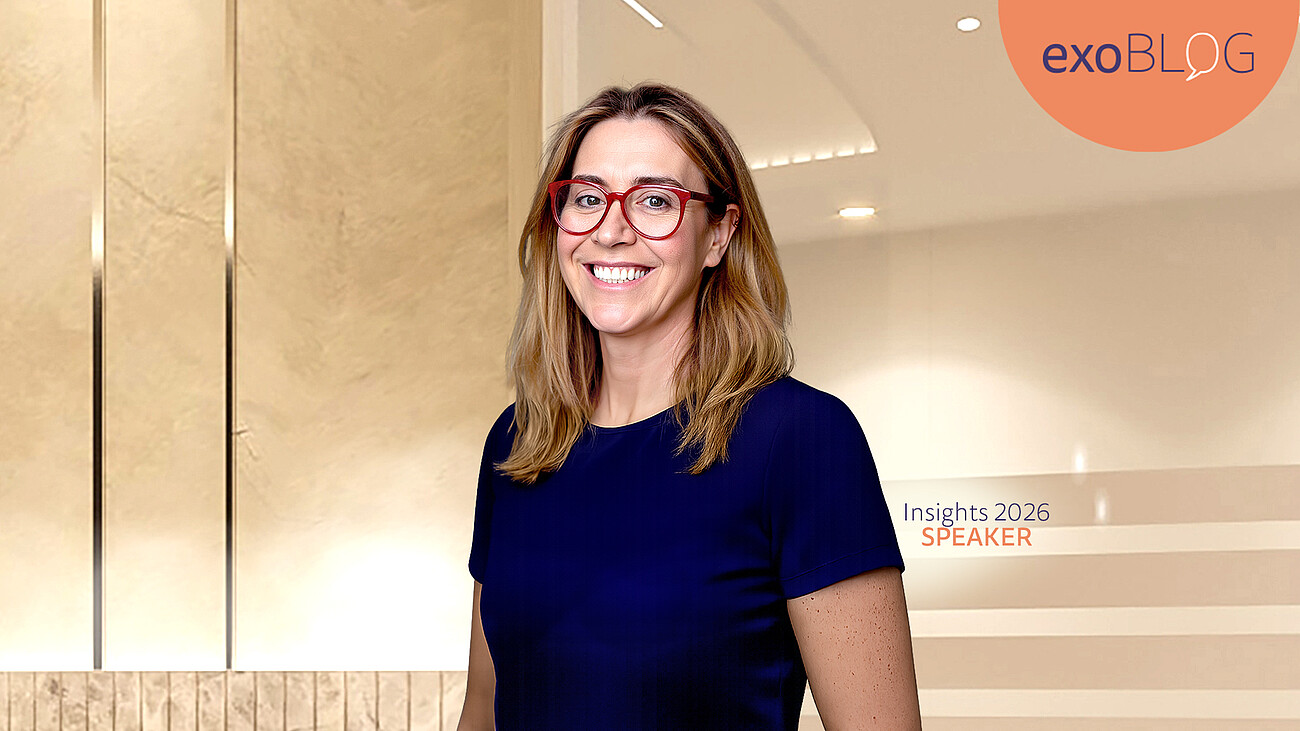
Caroline Kirkpatrick left school at 16 and never looked back. From polishing parts in a hearing-aid lab to running her own digital dental lab, she’s spent 30 years turning complex workflows into smooth, predictable results. Founder of OTS Dental Laboratory, Caroline blends patient care, clinical testing, and digital innovation with a passion for teaching. She loves showing crown-and-bridge technicians how their skills can shine in high-end removable prosthetics. This spring, Caroline brings her expertise and passion to exocad Insights 2026 as a featured speaker. She gives us a sneak peek at the key takeaways and lessons she’ll be sharing with us in Mallorca.
Q: Caroline, can you start by telling us how you got into dental technology?
A: I left school at 16 and ran straight into work. A family friend had a lab making hearing aids, and I started there, polishing parts and packing orders. That lab supplied dental labs, so I was constantly around equipment. I remember seeing a sign for denture repair and thinking, “How do you do that? What is that job?” Within six months, I had an apprenticeship as a dental technician. That was it.
Q: When did you first start working digitally?
A: I started with another CAD software quite early, when my lab was mainly ortho. I wanted a system that would let me move into digital but still cover crown and bridge and prosthetics. At first, I could design, but manufacturing was too expensive. About two years ago, I moved fully to exocad software after seeing it in colleagues’ labs. What really struck me was how everything stayed together in one case, one patient. For how I work, that methodical structure made a huge difference.
“Being able to scan in the clinic, bring that into DentalCAD, and transfer it into the print workflow is still mind-blowing to me.”
Q: What are your favorite DentalCAD features?
A: The copy denture feature, without question. Clinically, when an edentulous patient says they want a replica, they really mean a replica. They care about tiny details, especially if they’re used to worn teeth. As technicians, we might see small differences, but patients see them as huge. Being able to scan in the clinic, bring that into DentalCAD, and transfer it into the print workflow is still mind-blowing to me.
Q: When did you realize digital workflows were the future for your lab?
A: In crown and bridge, we adopted digital quite a long time ago for implants, abutments, and zirconia. Digital prosthetics took longer because materials and equipment were expensive and outsourcing was difficult for a small lab. Over the past two to three years, that’s changed completely. Equipment is more affordable, outsourcing is easier, and we now have our own milling machine and 3D printers.
Three years ago, I was still setting teeth in wax, doing manual gothic arch tracings, and articulating everything by hand. Today, we don’t use wax at all. The time savings are huge, and the results are more predictable and repeatable. If you have a bad day at the bench, things go wrong. On the screen, you still get the same occlusal scheme. There are far fewer points where errors can creep in.
Q: You’ve worked extensively with the Ivoclar BPS (Biofunctional Prosthetic System). How has digital changed that workflow?
A: The clinical BPS process is demanding, and if you don’t fully understand it, errors happen. What’s changed is how we transfer information. Instead of taking a full facebow record, we can use UTS CAD, record two numbers, and send that straight into the software. That information becomes design data. Traditionally, transferring a facebow took time, and you were always hoping nothing shifted. Now the digital process is smoother, faster, and more predictable, while still delivering the same highly esthetic, highly functional BPS result.
Q: How does DentalCAD help with setup and design?
A: The preset tooth setups are a big deal. My go-to preset molds are Ivotion B72 and S72, and always lingualized posteriors. The option to create a tooth mold report is valuable to share with the clinician for records, especially if it is a partial and may need addition or replacement. We used to mark models, draw lines, and set everything manually. Now, using BPS principles in the software, we can generate a setup very quickly from our scans. The teeth just drop into position. Of course, we can still refine things, but it gives you a starting point that’s already close to the finish line. That also makes it much easier to teach someone this workflow.
I have a BPS step-by-step book by the wonderful Joseph Ratonyi, and it’s entirely analog. I still refer back to it regularly—because the fundamentals haven’t changed—the same principles apply when we design in DentalCAD; digital is simply another way of applying them.
“Crown and bridge technicians already have those esthetic skills. Digital workflows make it easy to transfer that skill set into removables. There’s a huge gap in the market, and we need those technicians.”
Q: You’ll be speaking at Insights 2026 in Mallorca. Your lecture is titled “Digitizing dentures: A wake-up call for crown and bridge technicians.” What’s the message?
A: I started as a crown and bridge technician, and when I moved into prosthetics, people thought I was crazy. Removables have always been seen as the underdog. But patients care deeply about esthetics: tooth shape, line angles, and contours. They don’t want flat, artificial-looking teeth. Crown and bridge technicians already have those esthetic skills. Digital workflows make it easy to transfer that skill set into removables. There’s a huge gap in the market, and we need those technicians.
The materials we use now are also much closer to what we have in ceramics. We can mill denture teeth, layer, characterize, and really bring them to life. The same principles apply. The same attention to detail applies.
For analog prosthetic technicians who feel digital is too big a leap—it really isn’t when guided properly. exocad software is genuinely user-friendly, with built-in wizards that walk you through each step of the process.
What digital actually gives us is time: less gypsum, fewer repetitive bench stages, and more focus where it matters—on esthetics, characterization, and final finishing. Digital isn’t making analog technicians redundant; it’s giving us back the part of the job we love most.
Q: Have you been using the latest DentalCAD 3.3 Chemnitz features like split dentures?
A: Yes. I used to rely on external software for splitting large cases, and the learning curve was long. The split denture feature in DentalCAD is much more technician-friendly. You can design a split denture not just for the final prosthesis, but also for a try-in. We’ll make a split denture, add an aluminum verification jig, and do two things at once. Clinically, it’s much easier to adjust. You’re not grinding intraorally or drilling in the mouth, which patients really don’t enjoy. I’m also experimenting with splitting dentures and adding attachments for fixed-removable cases. There are so many features that I never have enough hours in the day.
“If a try-in comes back with a small change, like a midline shift, an analog lab might spend an hour or more resetting everything. In DentalCAD, that’s minutes.”
Q: What advice would you give labs that are still fully analog?
A: Start with 3D printers. You can print models, bite blocks, and try-in trays and save a huge amount of technical time. The real shift happens in design. If a try-in comes back with a small change, like a midline shift, an analog lab might spend an hour or more resetting everything. In DentalCAD, that’s minutes. That efficiency increases production and improves profitability. Change is scary, but it can completely transform a lab.
Q: You’re also known as an educator and mentor. What keeps you motivated?
A: When I started, learning meant books, courses, and trying to get information out of other technicians, who were often very closed off. Now we can share mistakes, techniques, and workflows instantly. That means younger technicians can reach a high level much faster without repeating all the same mistakes. I also want to encourage more women to be confident, to share what they know, and to speak up when they see a better way to do something.
Q: After three decades, what still excites you about dental technology?
A: The people. There are always days when things go wrong, and you feel disheartened. Then you see someone in the industry doing something inspiring, whether they’re new or someone who’s been around for years. Between dentists, technicians, and dental community groups like Nightshift, there’s constant innovation. It makes me proud to be part of this profession. Always learning, always evolving — there’s never a shortage of something new to get stuck into.
Q: Quick ones. Favorite tooth?
A: The canine. It’s strong and usually the last one standing.
Q: Best advice you ever received?
A: Surround yourself with people who know more than you, and who share your
morals, respect, and values. It’s true.
Q: One word for exocad?
A: Love.
Caroline Kirkpatrick, a clinical dental technician with more than 30 years of experience, has successfully transitioned from analog to digital workflows across ceramic, prosthetic, and implant-retained restorations. As founder of OTS Dental Laboratory, she has been at the forefront of adopting digital innovation in full-arch and removable prosthetics, combining traditional prosthetic principles with modern CAD workflows.
Working directly with patients, Caroline is uniquely positioned to test materials and refine digital workflows in real clinical settings, ensuring that design decisions translate effectively from screen to mouth. A Nightshift ambassador and educator, she regularly shares her insights through lectures and hands-on workshops, encouraging open and honest discussion around the digital transition in dental technology. Caroline’s aim is to inspire crown-and-bridge technicians to recognise the full potential of removables in a digital era—not as a departure from traditional skills, but as a natural evolution of them.
For analog removable technicians considering the leap into digital, Caroline’s message is simple: the fundamentals you already understand still apply. With the right guidance and intuitive platforms such as exocad, digital workflows become a supportive extension of analog thinking — freeing up time, reducing repetition, and allowing technicians to focus on the finishing, detail, and craftsmanship that define exceptional removable prosthetics.

by Caitlan Reeg
Writer at exocad
Caitlan Reeg spends her days telling the world about the innovations her colleagues create. She’s passionate about healthcare, technology, and the ways the two interact to improve our lives. A former journalist, Caitlan has worked on staff at Dow Jones Newswires in Frankfurt and at the national public radio program Marketplace in Los Angeles.