Crafting the future in Japan
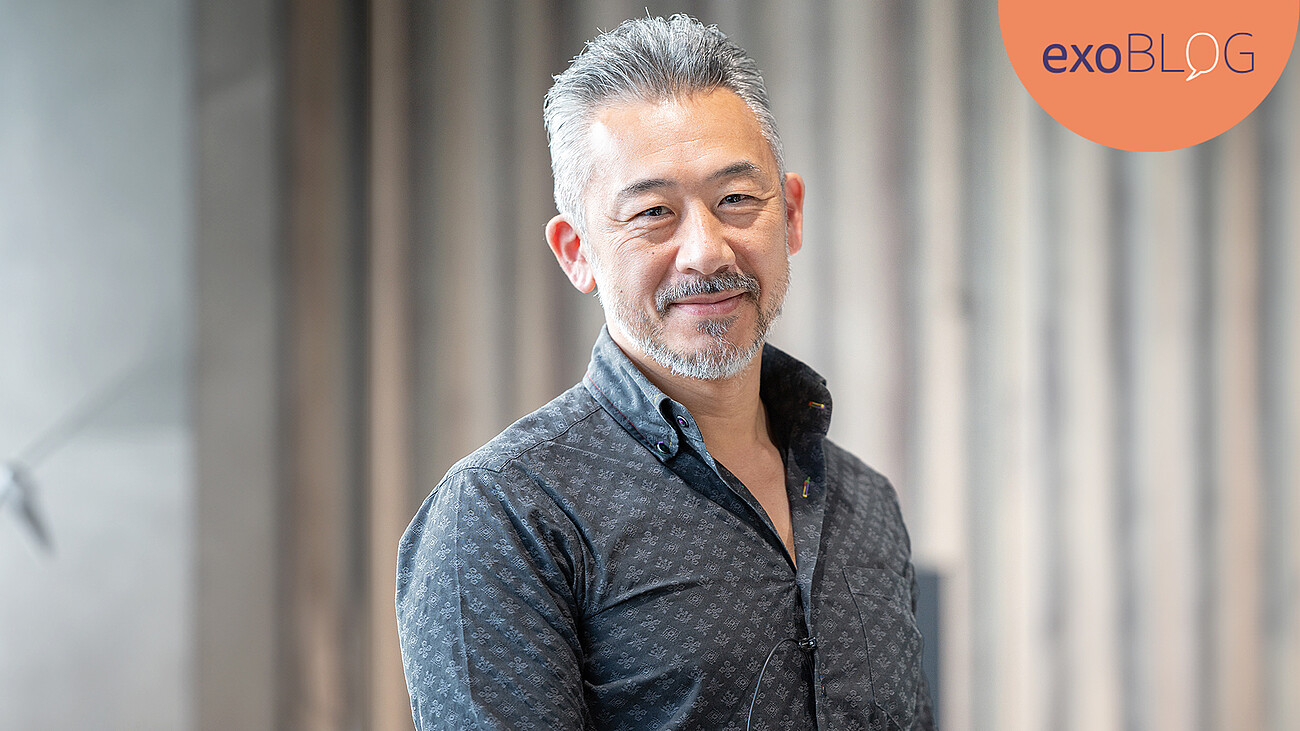
Digital dentistry in Japan is on the rise, but change comes slowly in a field rooted in craftsmanship. Takahiro Tsuji, CEO of Dental BiOVISION Inc. and founder of Digital Formation Inc., is working to bridge that gap. Through his training center, he helps dentists and technicians embrace tools like intraoral scanners, CAD design, and especially exocad software. From the Smile Creator Module to the DICOM Viewer Module, Takahiro shows how exocad makes complex workflows simpler—and why digital literacy is essential for the future of Japan’s dental labs.
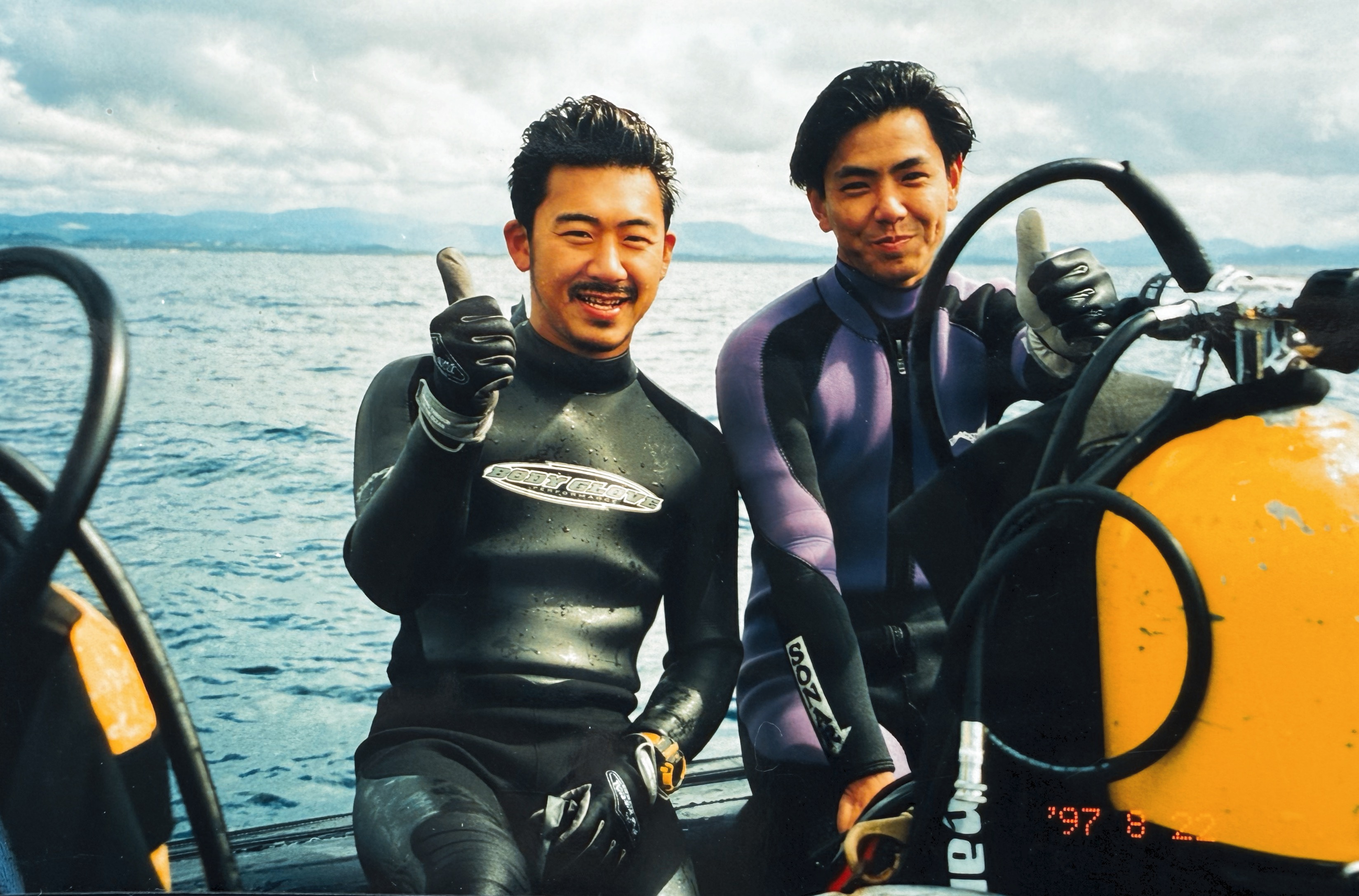
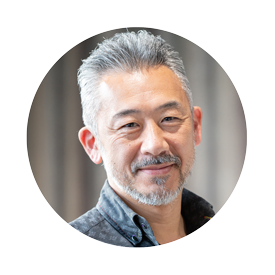
Takahiro left dental briefly in his twenties to work as a scuba diving instructor.
Q: How did you get started in the dental field, and what inspired you to build your own training center?
A: As a teenager, I considered becoming either an architect or a dental technician because I’ve always loved creating things. There was a dental technician school in my city, and I chose that path mostly because it was close by.
From ages 25 to 28, I actually left the profession and worked as a scuba diving instructor in Australia and Fiji. I also spent time in Canada snowboarding. At the time, I was bored with dental technology.
But when I was 29, I met the owner of a dental lab in Canada. Working there helped me fall in love with the profession again. When I returned to Japan, I joined a lab in Osaka, where I learned implant work and CAD design. Fifteen years ago, I opened my own lab, Dental BIOVISION Inc., and four years ago, I established a training center focused on teaching how to use digital dental equipment and software, such as intraoral scanners and CAD design.
Q: You’ve recently started using exocad software more extensively, especially DentalCAD and the Smile Creator Module. What were your first impressions, and what do you enjoy most about it?
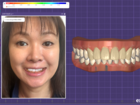
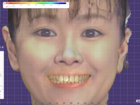
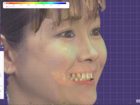
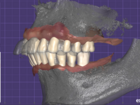
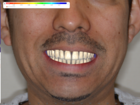
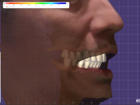
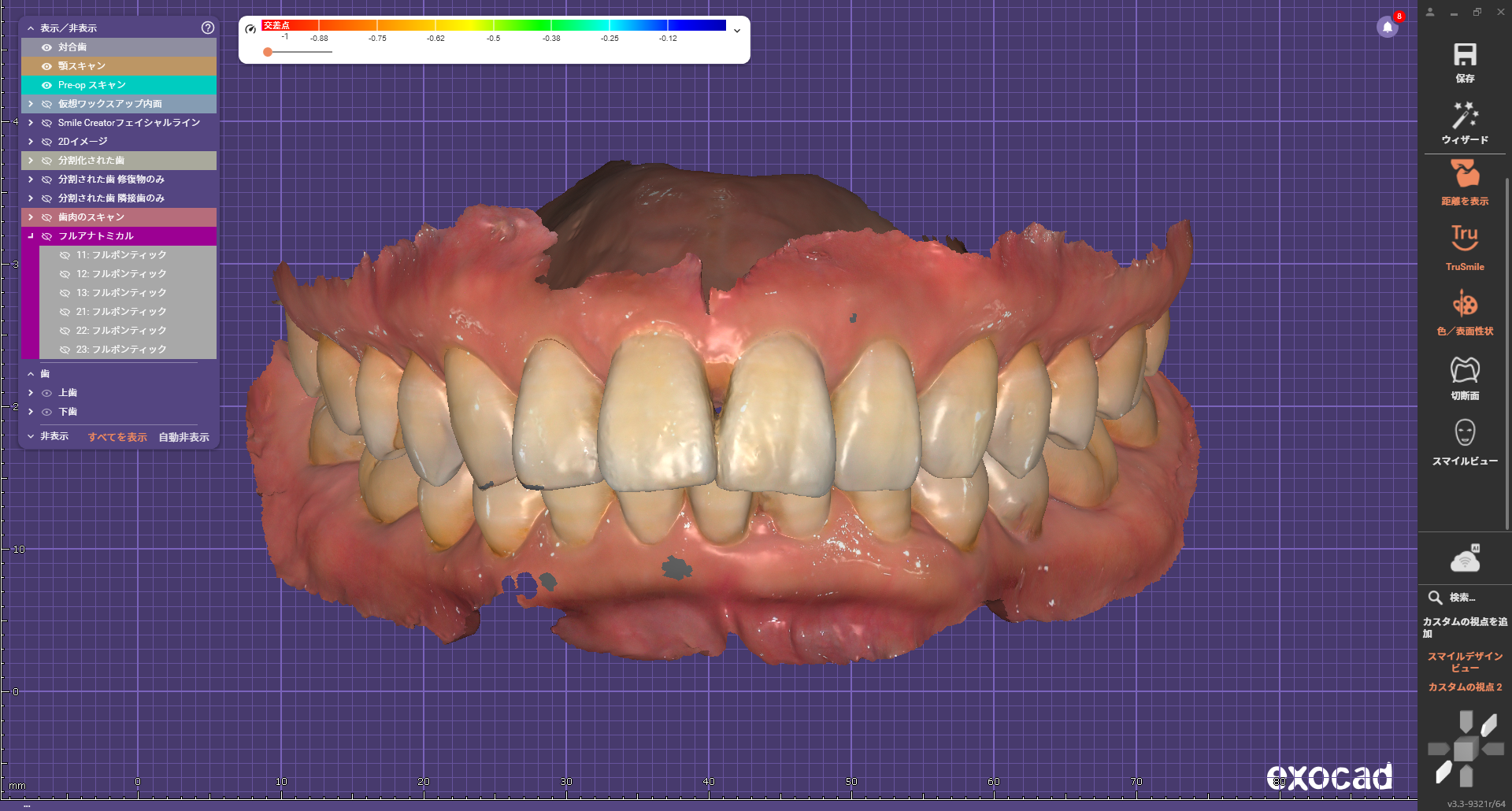
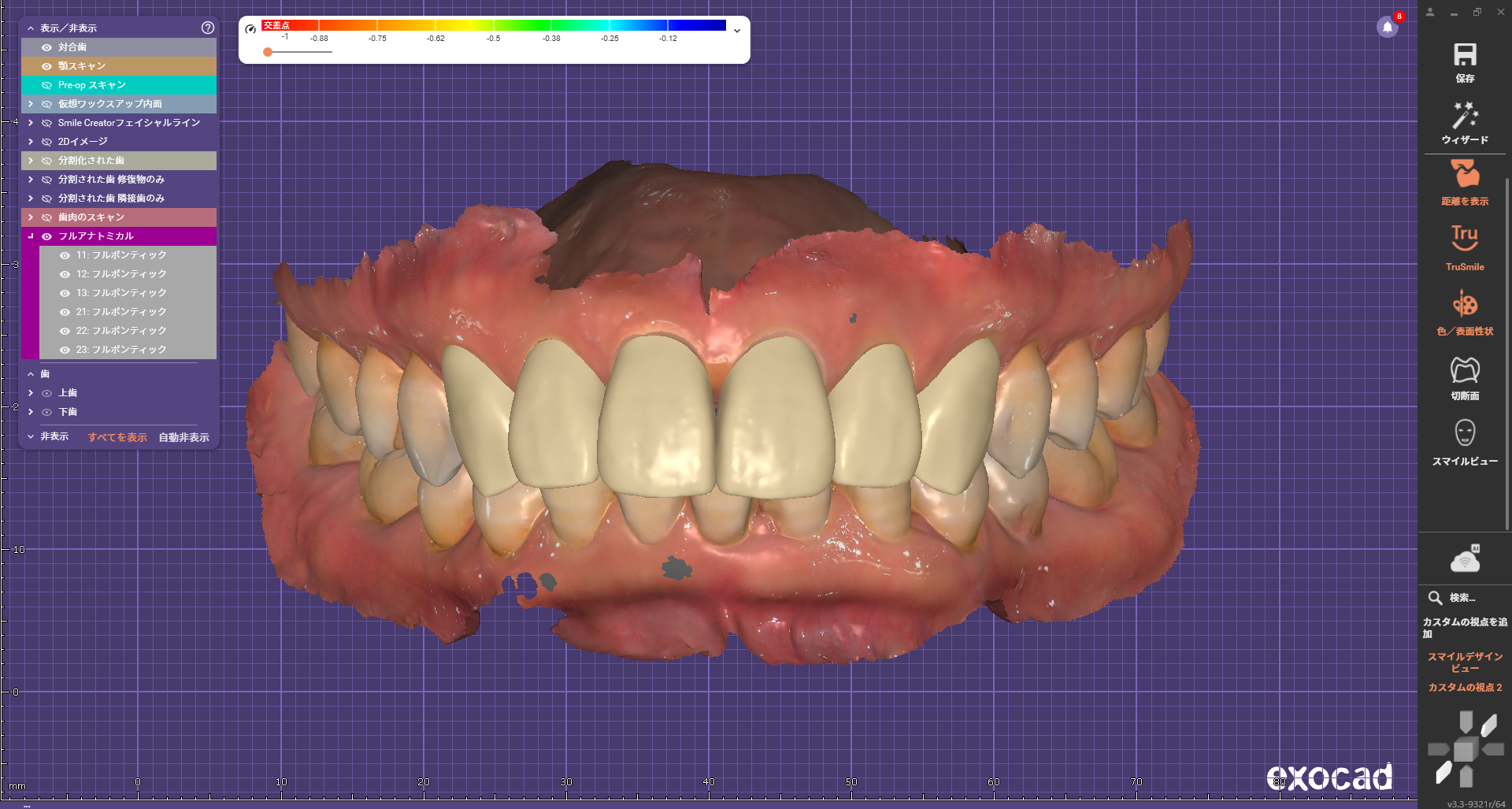
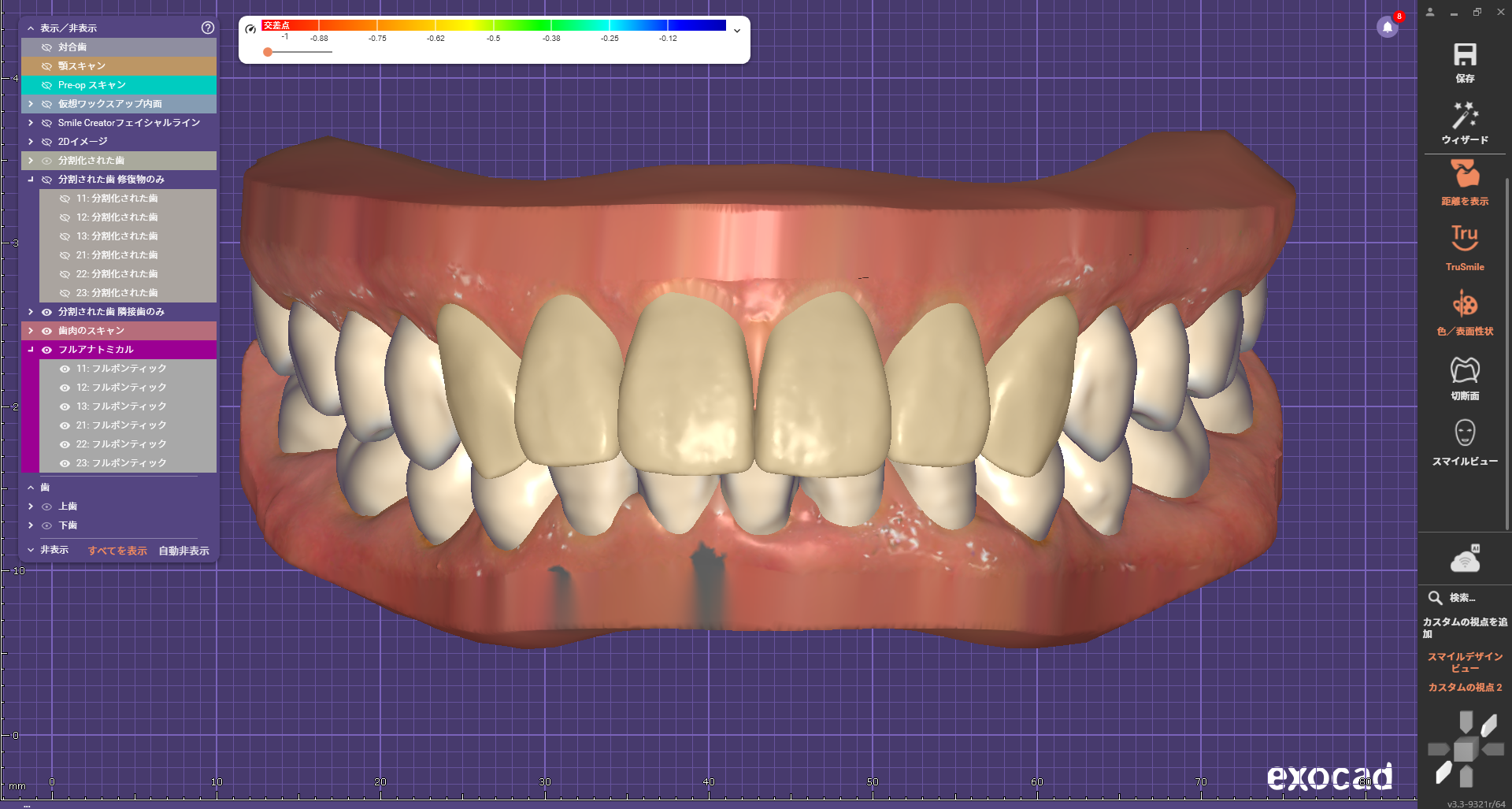
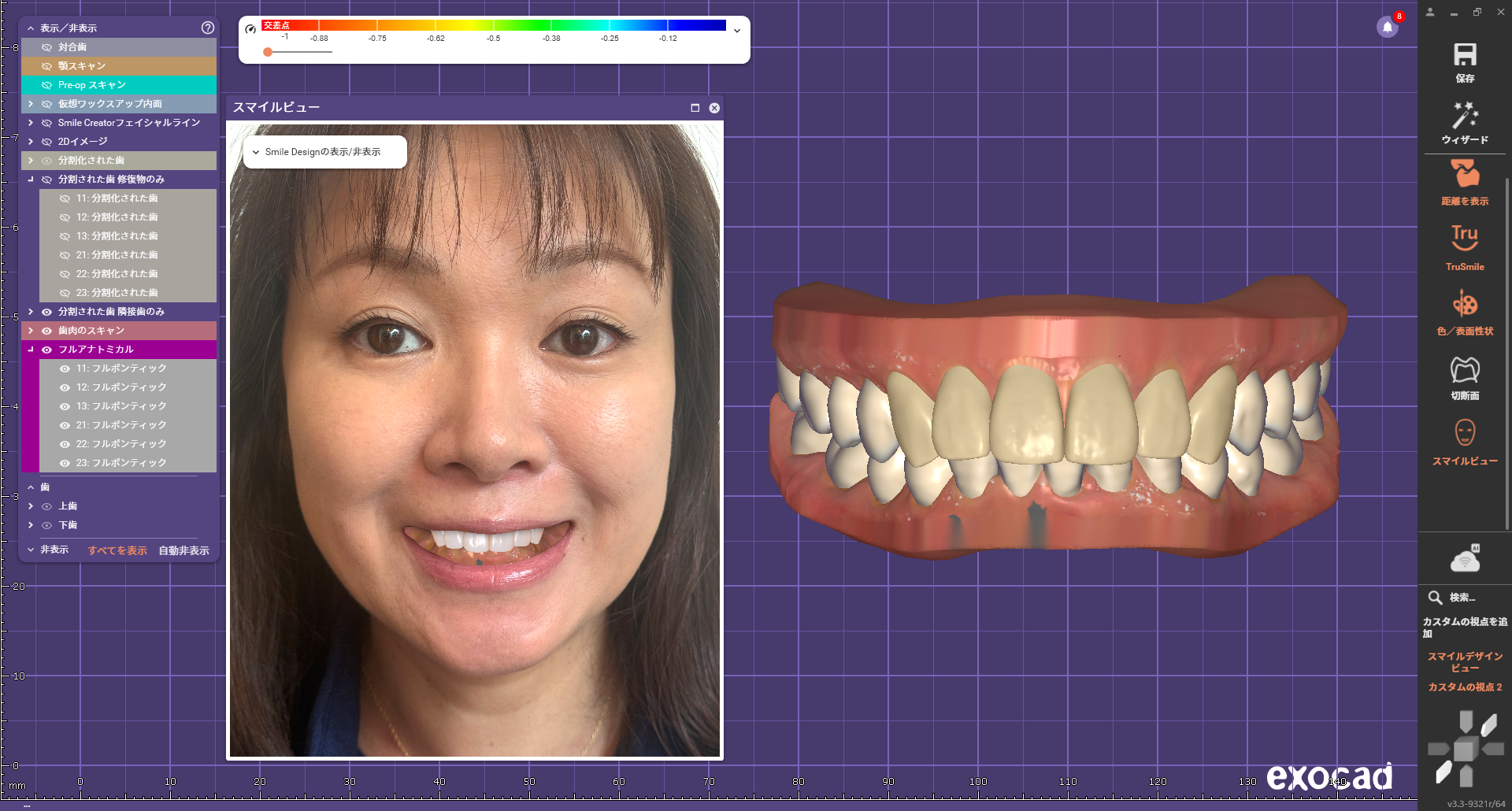
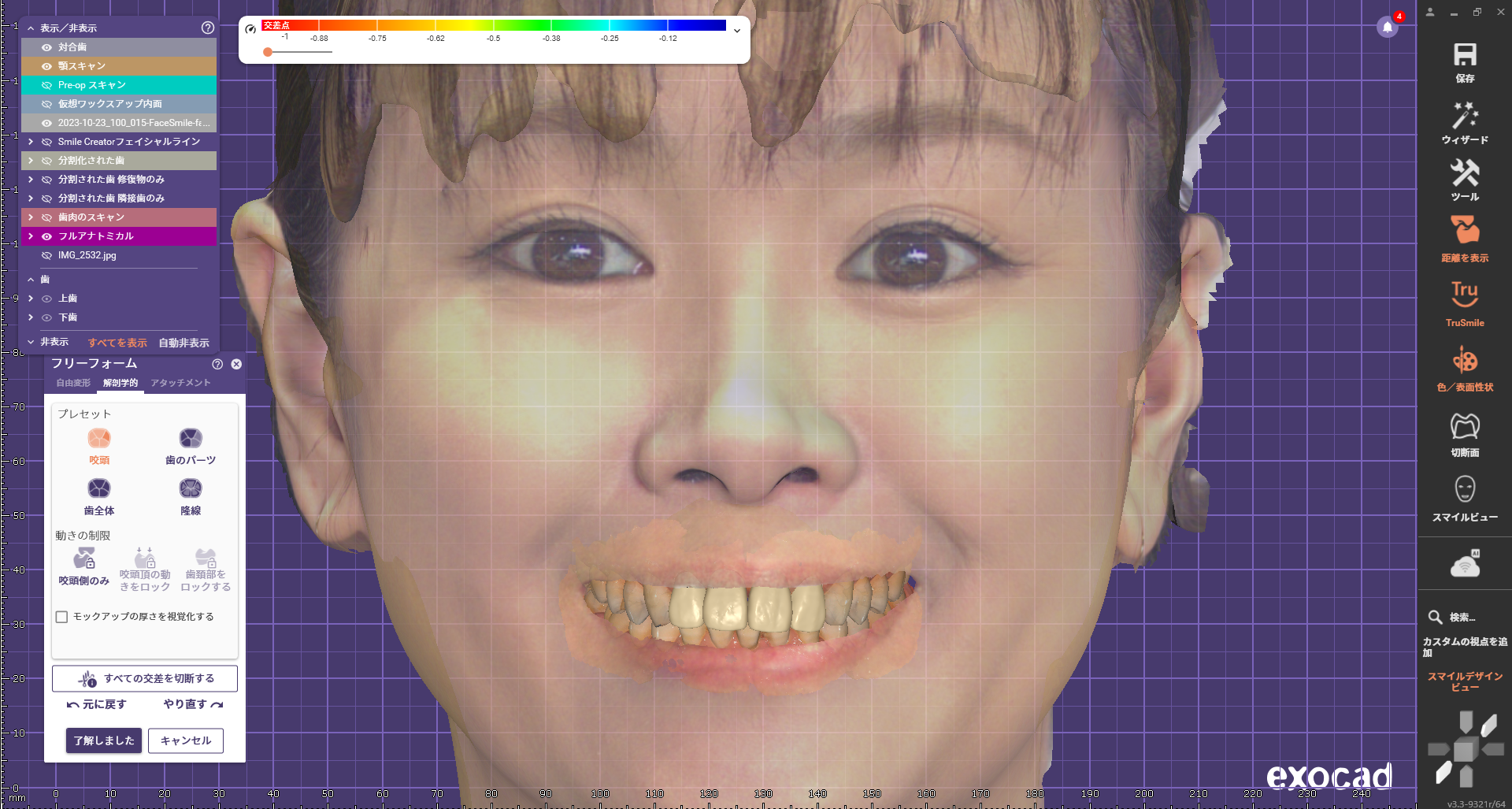
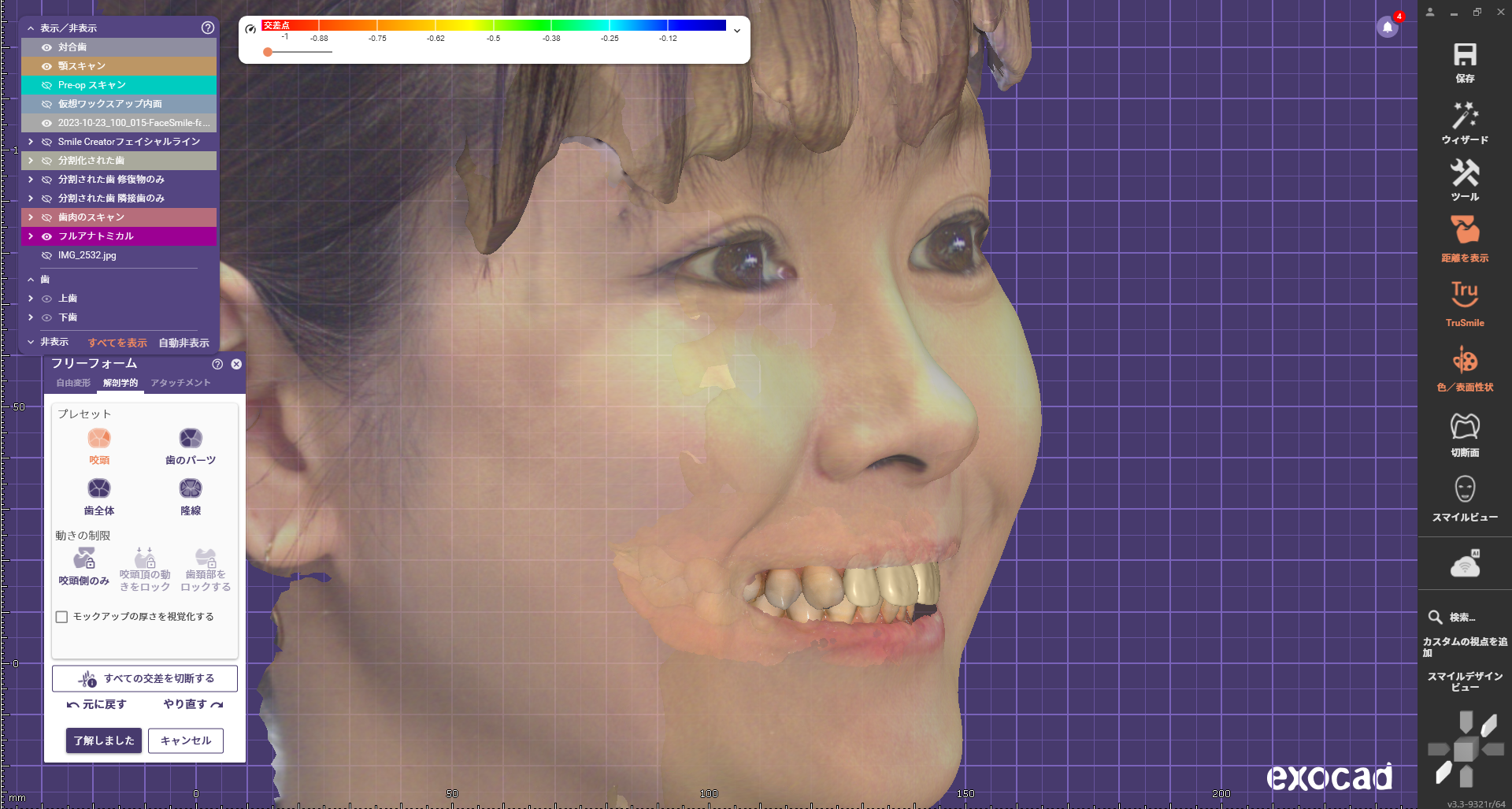
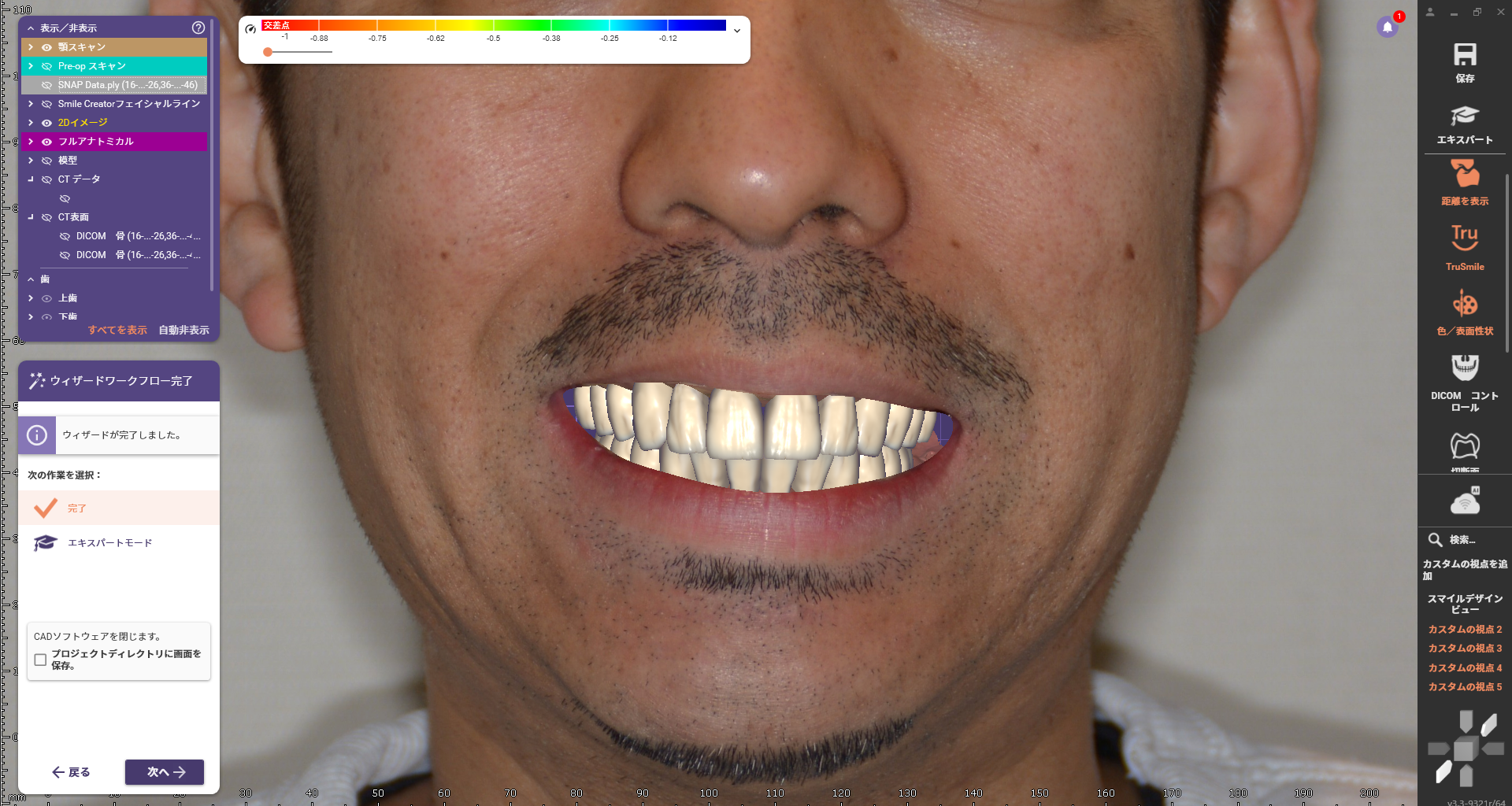
A: My first impression was how user-friendly exocad is. It allows dental technicians to design efficiently with very little stress—no long waiting times anymore. I especially enjoy the Smile Creator Module, which is highly effective for esthetic prosthetic diagnosis. Overlaying facial photos with designs creates strong visual communication tools for both dentists and patients.
Q: What’s one of your favorite functions of exocad software?
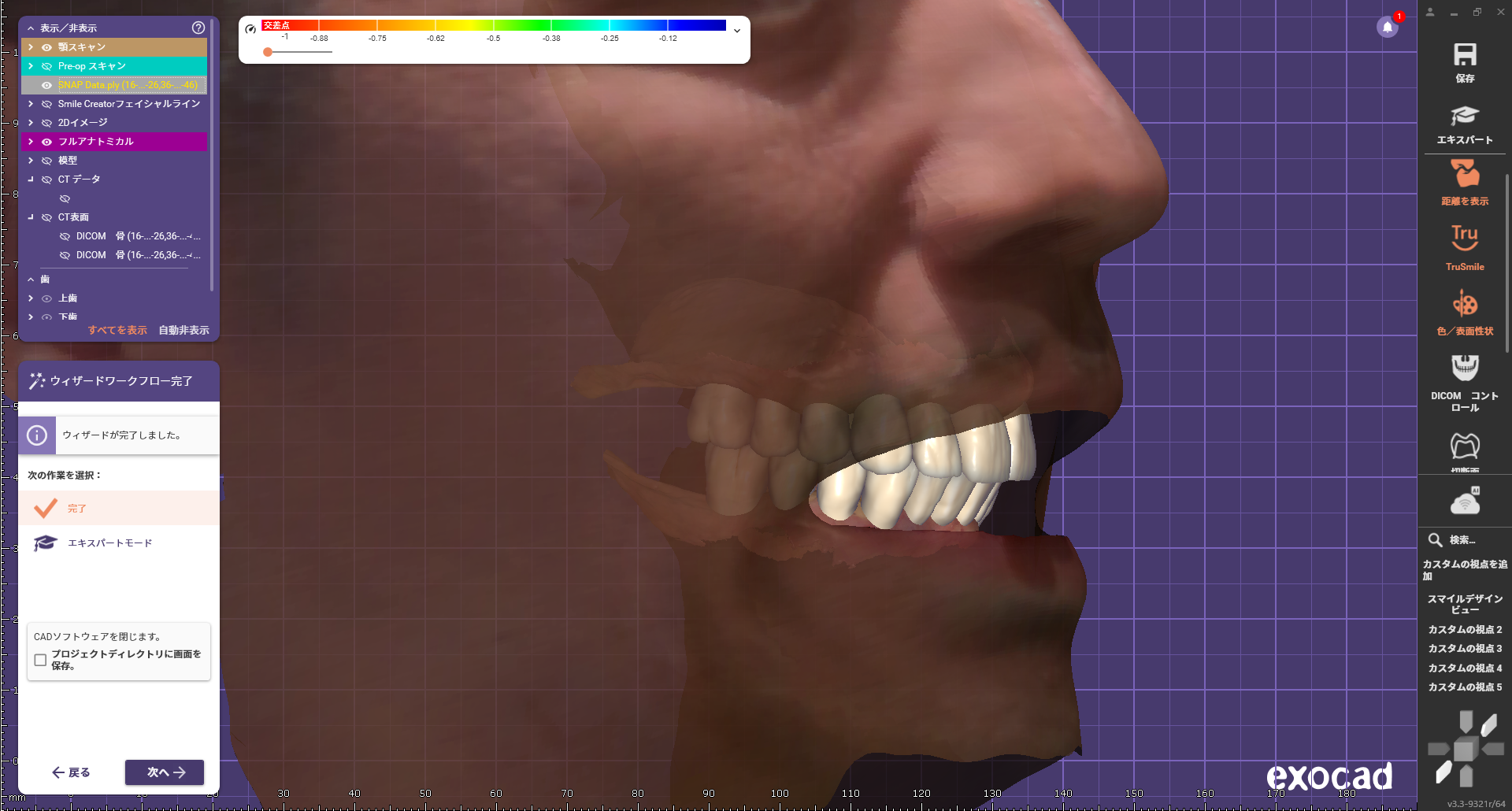
A: We rely on exocad software when we need to overlay multiple digital datasets, because its superimposition function is excellent.
Q: You mentioned that you also use iTero in your workflow. What does your typical digital workflow look like—from scan to final restoration?
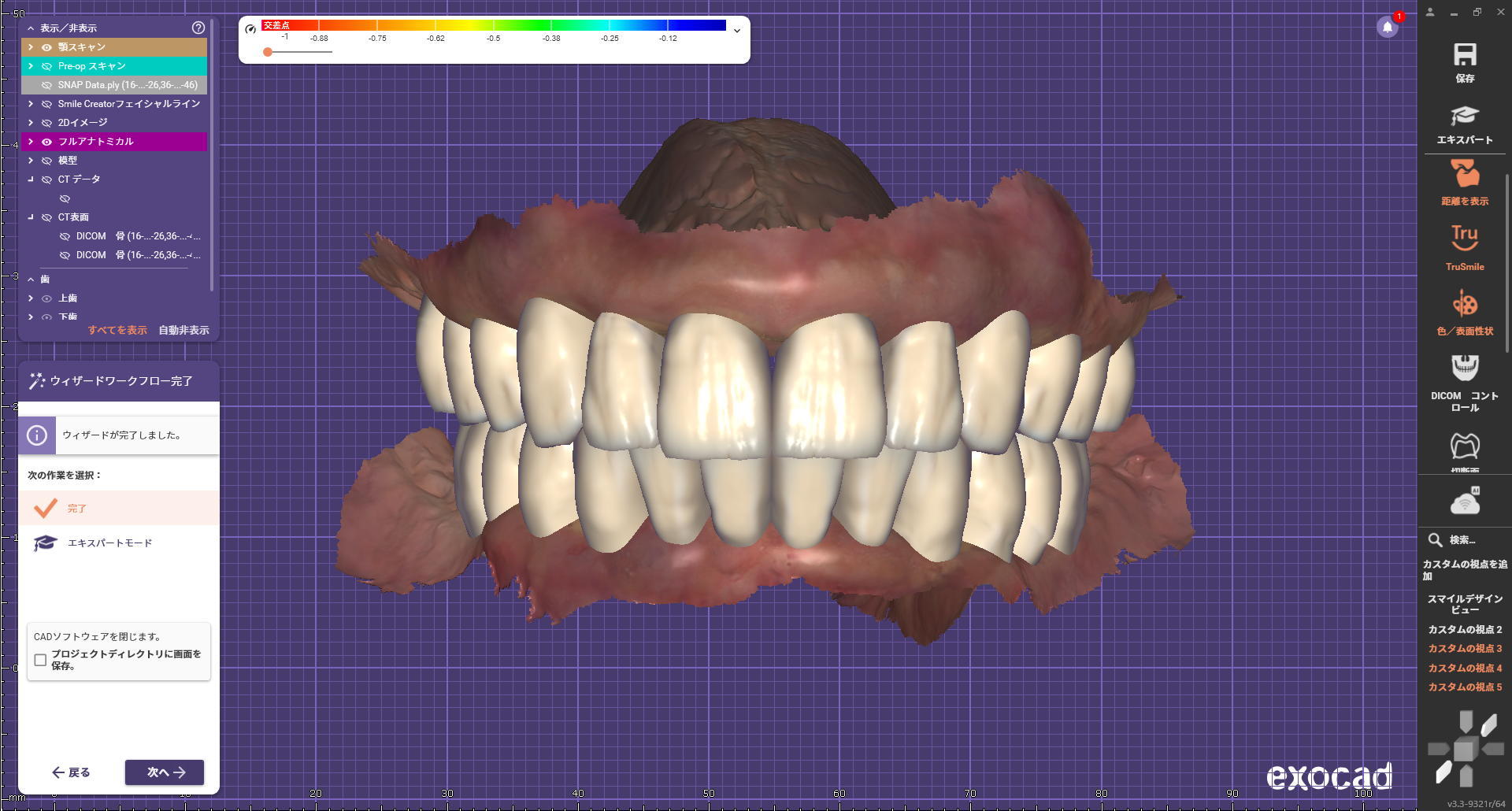
A: We typically import iTero scan data seamlessly into the DentalDB for design. Most final prosthetic designs are milled, so we don’t often need a 3D printer. For esthetic cases, we overlay photos and scans to create impactful visual materials that help both dentists and patients understand the treatment plan.
Q: What features in DentalCAD have made the biggest difference for your lab?
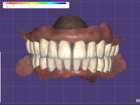
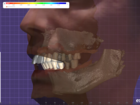
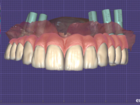
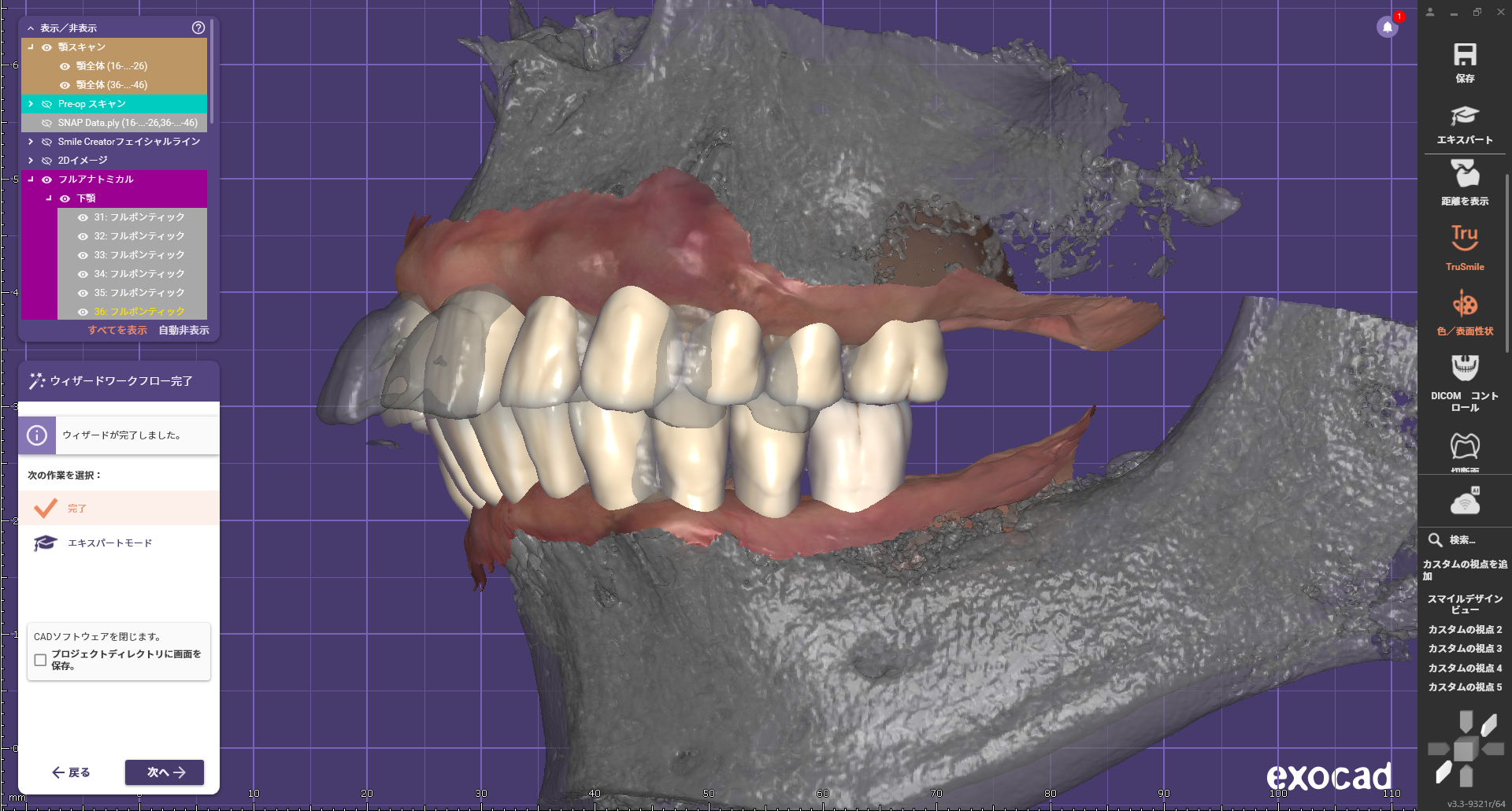
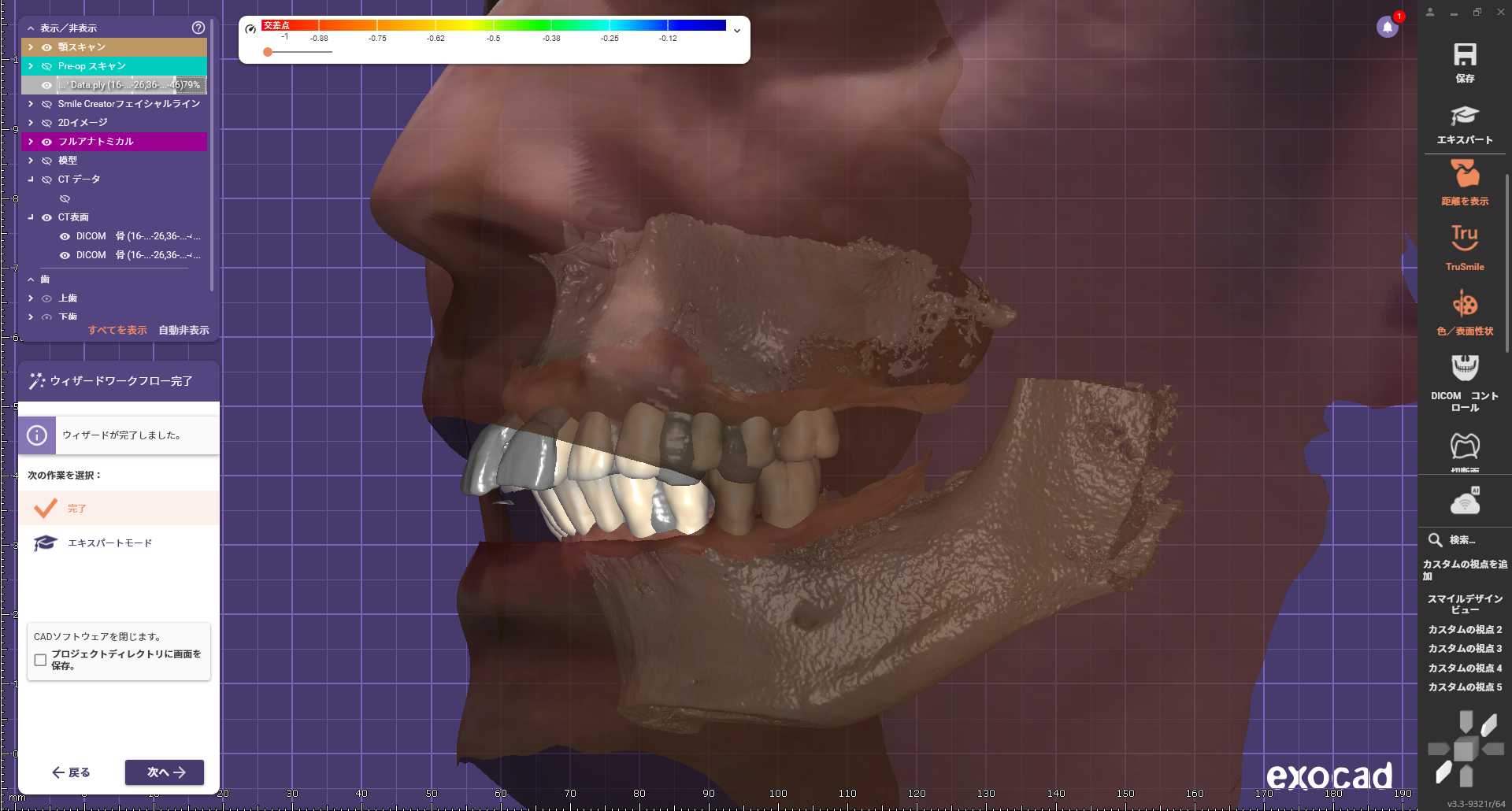
A: My favorite is the DICOM Viewer Module. It allows us to import DICOM data, convert it, and adjust thresholds. This makes it possible to accurately superimpose jaw, face and optical scan data—even though they’re in different axes. The DICOM Viewer Module is very effective for digital setup cases and crown-and-bridge design, where surgical and esthetic aspects must both be considered.
Q: Can you share a recent case where exocad software helped you achieve great results?
A: Yes. We recently used the DICOM Viewer Module in a case where superimposition was crucial for diagnosis. That case has now reached the replacement stage, and I’ll be starting the final prosthetic design soon. I plan to present it once the treatment is complete.
“I’m impressed by the freedom exoplan offers for surgical guide design. It’s quickly becoming my ‘hero software.’”
Q: What’s your “hero” tool—the one that helps you be a hero of digital dentistry?
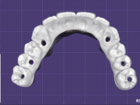
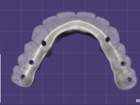
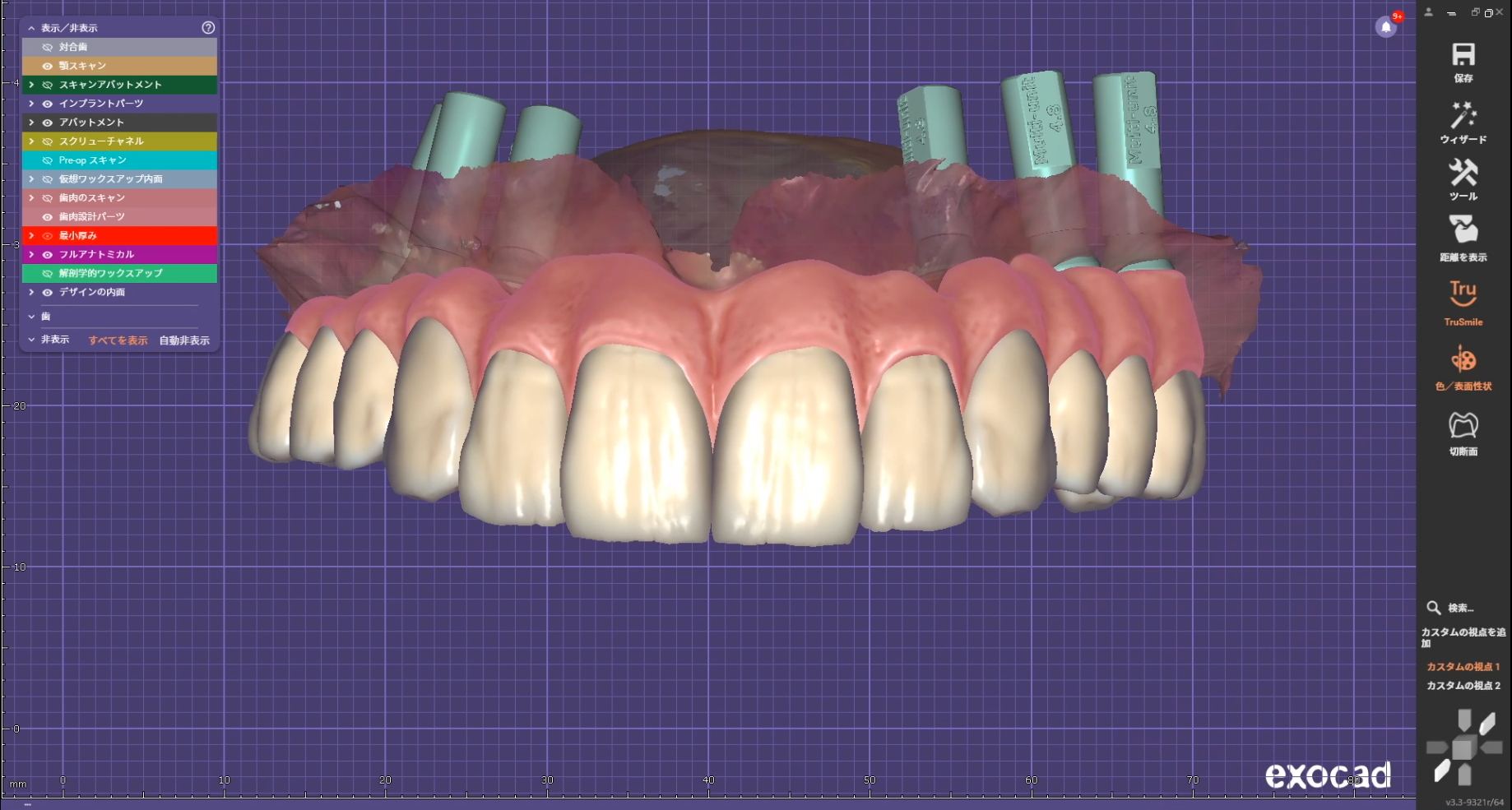
A: exocad’s implant planning software exoplan was recently made available in Japan, and I’m impressed by the freedom exoplan offers for surgical guide design. It’s quickly becoming my “hero software.” For example, you can directly use radiographic guide data as a surgical guide, which is a major advantage.
Q: How would you evaluate the level of digitization in Japan’s dental labs and clinics?
A: In my view, digitalization in Japan’s dental industry lags behind other countries, partly because of a strong craftsman spirit that values analog methods. In my seminars, I not only teach dentists and technicians how to use the tools but also explain the benefits of adopting digital technology.
Q: As an educator, what role do training and digital literacy play in the future of dental labs in Japan?
A: About 90 percent of dental labs in Japan are small operations with five or fewer employees, and around half of the technicians are over 50. For this reason, digitalization is essential, but also difficult—smaller labs struggle with capital investment. Training environments are still scarce, so I want to continue offering courses where dentists and technicians can learn together and build digital literacy.
Q: Compared to other markets, what are the unique challenges and trends in Japan’s dental industry?
A: The biggest challenge is the National Health Insurance system, which covers basic treatment costs but excludes implants, esthetic treatment, and intraoral scans. As a result, patients often have low digital literacy and don’t realize they must pay privately for advanced treatments. At the same time, Japan’s large elderly population is shaping demand. Geriatric care will be an important trend moving forward.
Q: What’s your favorite tooth?
A: The lower premolars. They’re surprisingly difficult to shape well.
Q: What’s your favorite song right now?
A: “Perfect” by Ed Sheeran. I even saw him in concert last year and sometimes sing it at karaoke.
Q: What advice would you give your younger self?
A: Study English more seriously! It would have helped me make friends around the world and become a world-class dental technician sooner.
Q: One word to describe exocad?
A: Love. Everyone loves exocad.
Takahiro Tsuji is the chief executive officer of Dental BiOVISION Inc., which he founded in 2010, and Digital Formation Inc., established in 2021. Tsuji graduated from Asahikawa Dental Technician College in Hokkaido, Japan. A dental technician specializing in dental implants, he is a member of the Japanese Society of Oral Implantology and the Osseointegration Study Club of Japan. He is a certified dental technician with the Japan Academy of Dental Technology Association, a training-certified lecturer for the Japan Dental Technologists Association, and a certified implant specialist dental technician with the International Congress of Oral Implantologists. Follow Takahiro’s work on Facebook, and Instagram.

by Caitlan Reeg
Writer at exocad
Caitlan Reeg spends her days telling the world about the innovations her colleagues create. She’s passionate about healthcare, technology, and the ways the two interact to improve our lives. A former journalist, Caitlan has worked on staff at Dow Jones Newswires in Frankfurt and at the national public radio program Marketplace in Los Angeles.